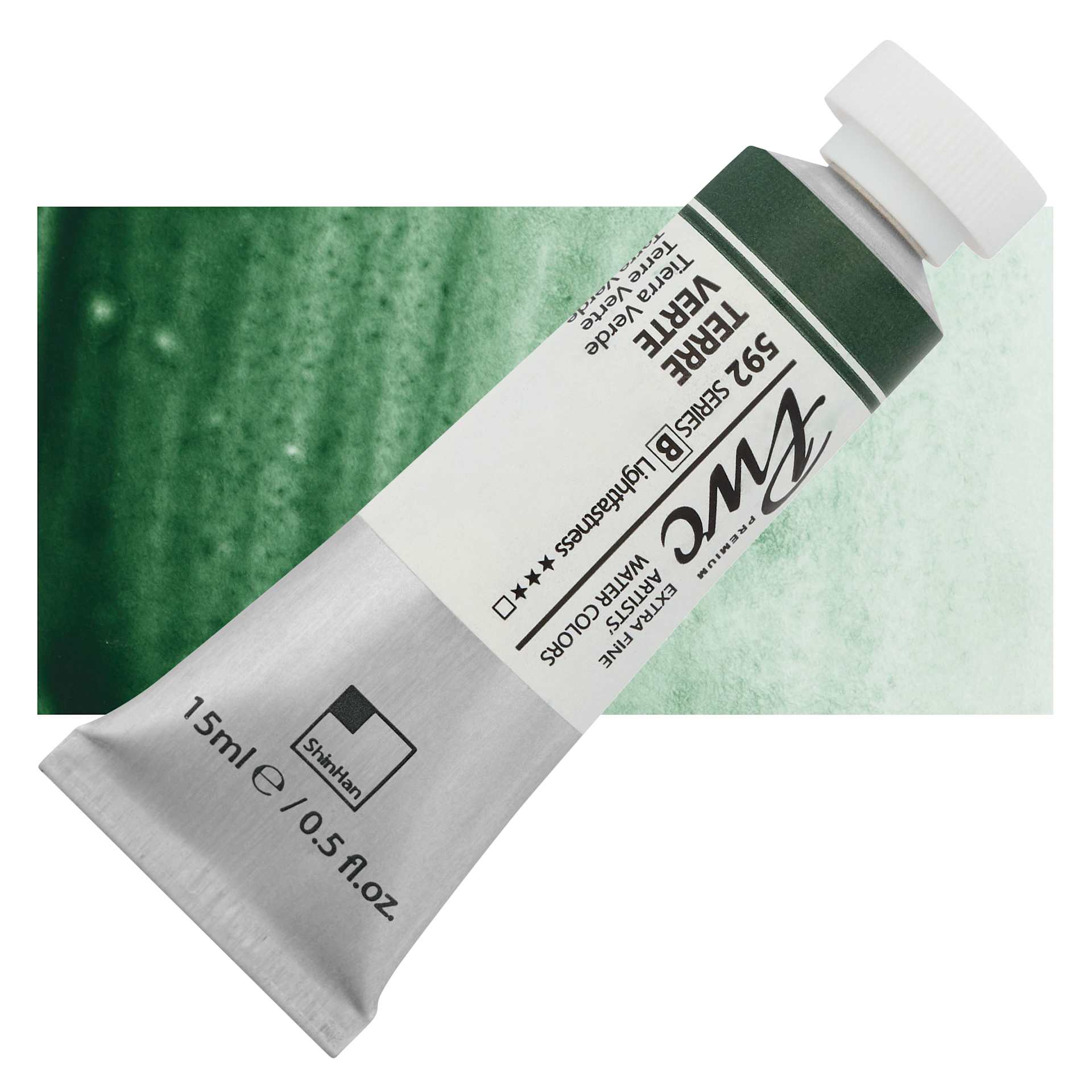
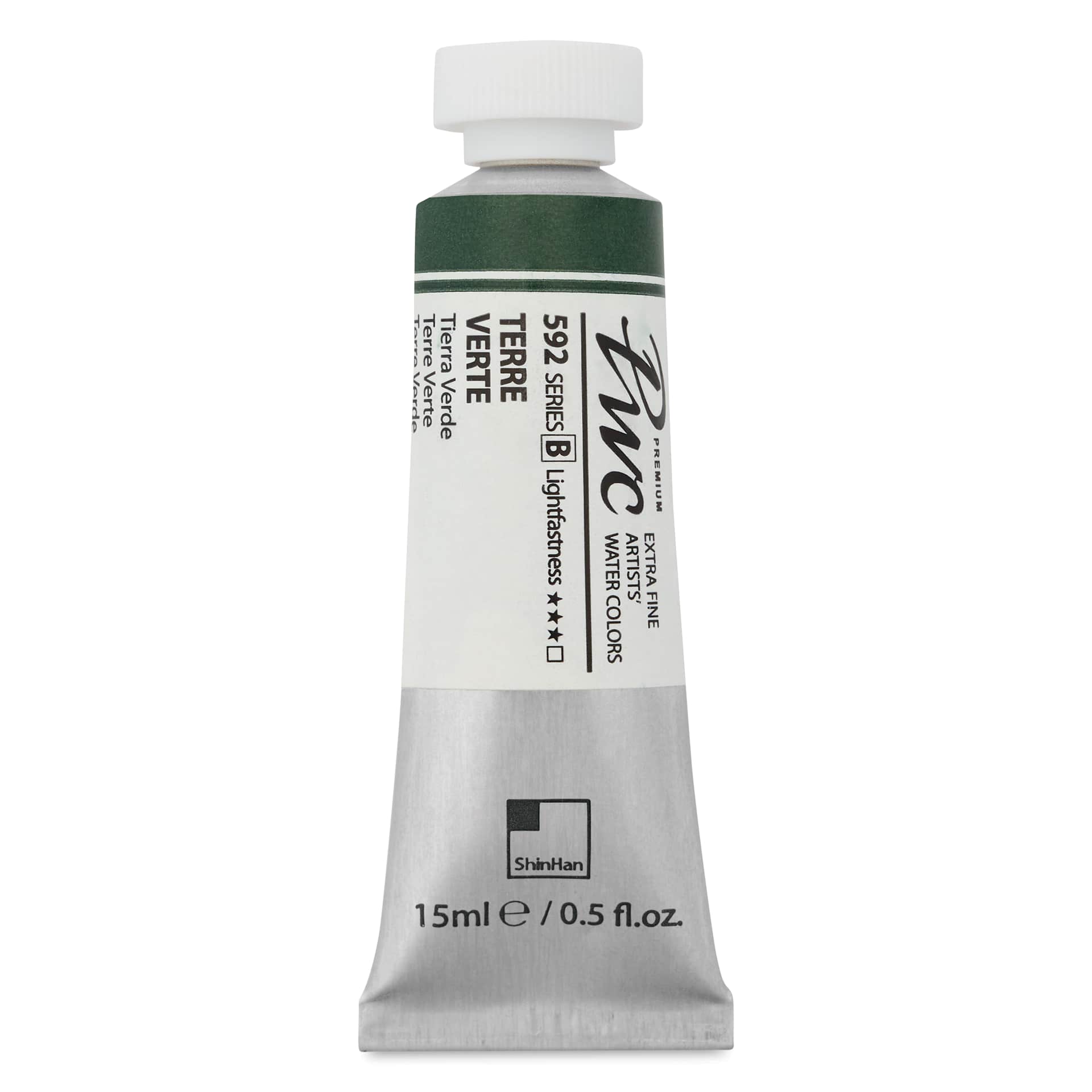
ShinHan PWC Extra Fine Professional Watercolor - Terre Verte, 15 ml, Tube
Save For Later
My Store Pickup List
Please select a storeMy Wish Lists
My BlickU List(s)
My Quick Quotes
Product Details
- No.
- 592
- Description:
- Professional Watercolor
- Color:
- Terre Verte
- Series:
- B
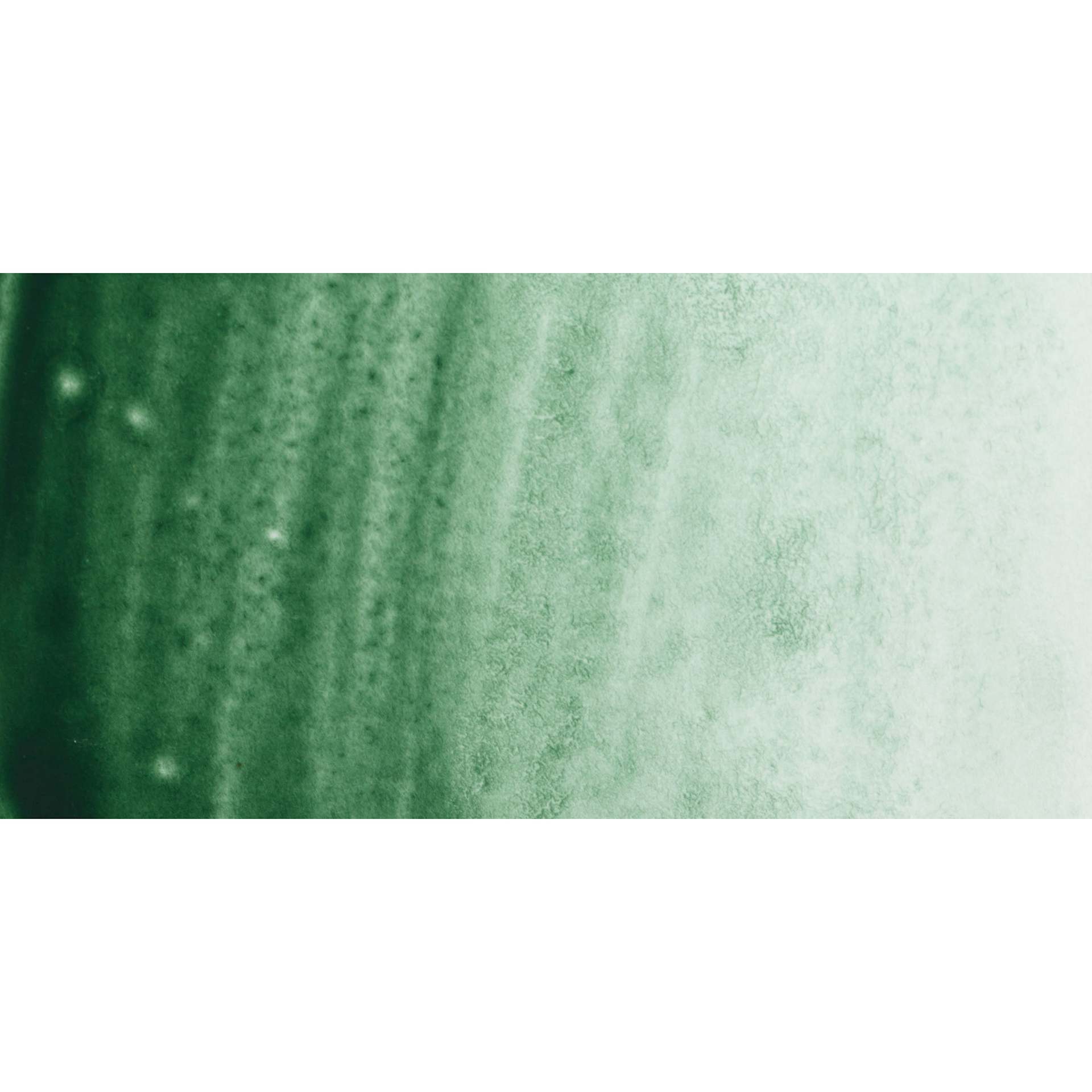
Colors on Monitors -
Due to differences in users’ monitors, the colors presented are an approximation of the true color.
Reviews
Pigment Information
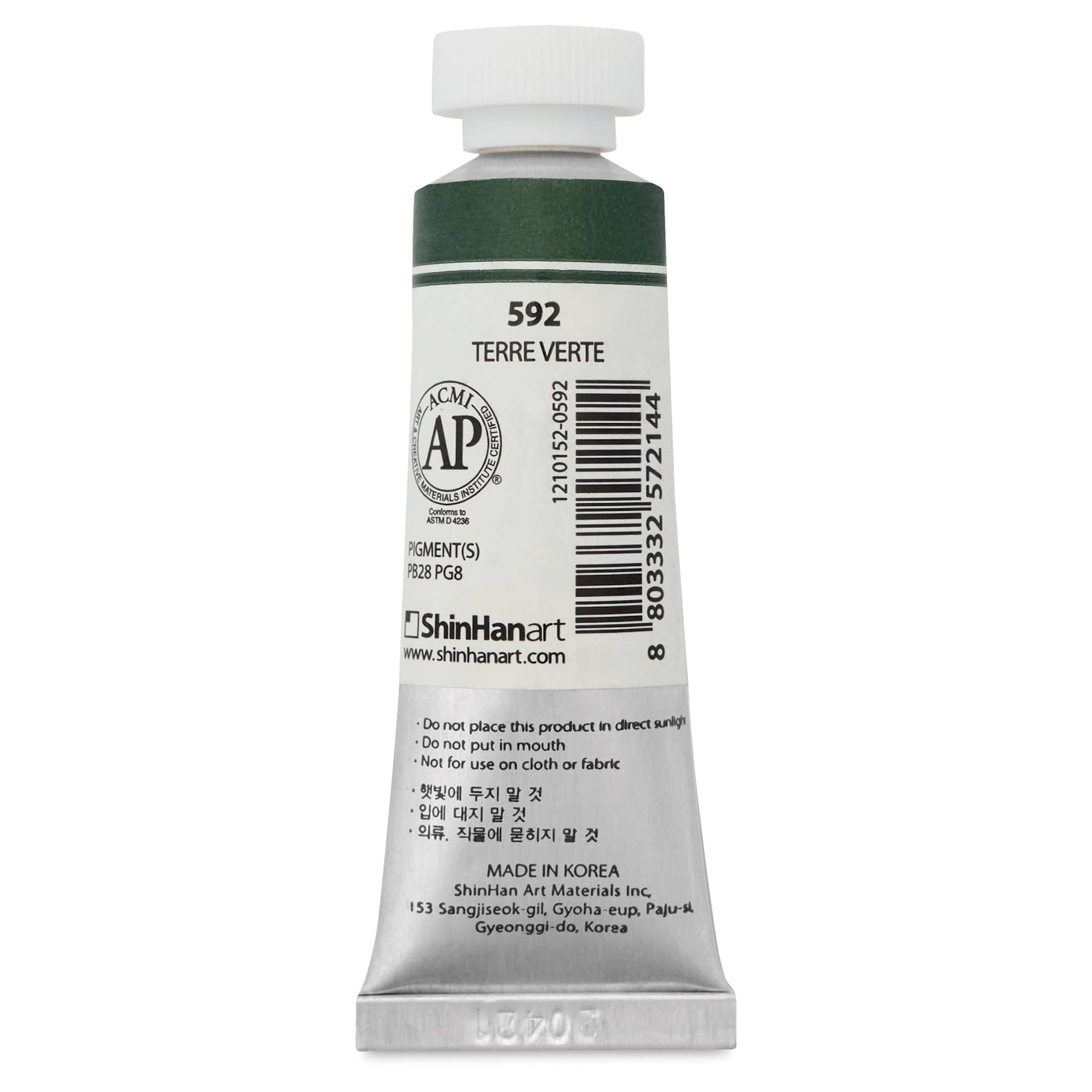
This color contains the following pigments:
PB28-Cobalt Blue
PG8-Hooker’s Green
Pigment Name
PB28-Cobalt Blue
Pigment Type
inorganic
Chemical Name
cobalt(II) oxide + aluminum oxide
Chemical Formula
CoO + Al2O3
Properties
Cobalt blue is a semitransparent pigment with low to moderate tinting strength. When it dries, it appears lighter and less saturated. Pigment particles are large and grainy. Differences in how the pigment is ground and mixed lead to considerable differences in its performance among various manufacturers.
Permanence
Cobalt blue is absolutely lightfast and extraordinarily stable. The stability of cobalt salts at high temperatures make them the standard for blues used in ceramics and glassware.
History
Since ancient times, smalt blue has been used to color glass and ceramics. Cobalt salts, which give smalt its characteristic blue color, were identified in the 18th century. Techniques for manufacturing Cobalt Blue, a chemically pure salt of cobalt and aluminum oxide, were developed in 1802.
Pigment Name
PG8-Hooker’s Green
Pigment Type
mix of organic pigments
Chemical Formula
C30H18FeN3O6Na
Properties
Hooker’s Green is a bright olive-green often sold in a yellowish shade and a bluish shade. Its transparency can range from dull and dark to bright and light because lightness and chroma vary based on manufacturer. Modern varieties have a rich, dark tone that provides a great range when mixing. Hooker’s Green is particularly good for landscape painting when a larger range of foliage is required. Dioxazine Violet is the best mixing compliment in watercolor form.
Permanence
The permanence and lightfastness of Hooker’s Green varies by brand. As a composite pigment historically mixed from Prussian Blue and Gamboge, its permanence is only fair. Modern replacements for Hooker's Green tend to be mixed with components that have more permanence, such as Phthalocyanine Green, Burnt Umber, and sometimes Hansa or Cobalt Yellow.
History
This pigment was originally an unreliable mix of Prussian or Iron Blue and Gamboge. Later, it became a more reliable mix of Cadmium Yellow and Phthalo Blue or Green. It was a staple green for 19th century landscape and botanical painters. Most modern Hooker’s Green paints are yellow greens with a hue angle around 140, or a mix of Phthalo Green and Burnt Umber.
Safety Data Sheet
UPC Code: 8803332572144