Save For Later
My Store Pickup List
Please select a storeMy Wish Lists
My BlickU List(s)
My Quick Quotes
Product Details
- No.
- 513
- Description:
- Gouache
- Color:
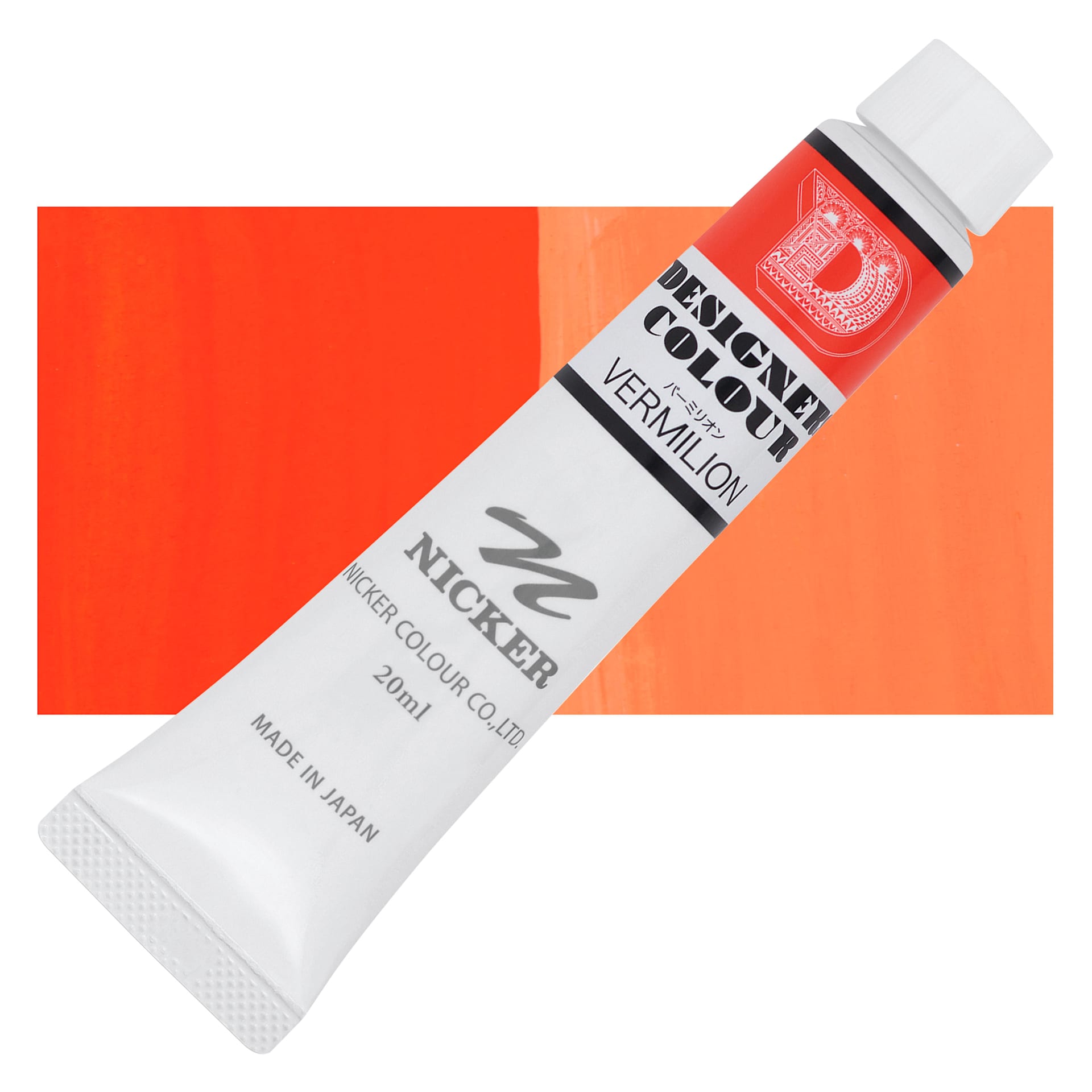
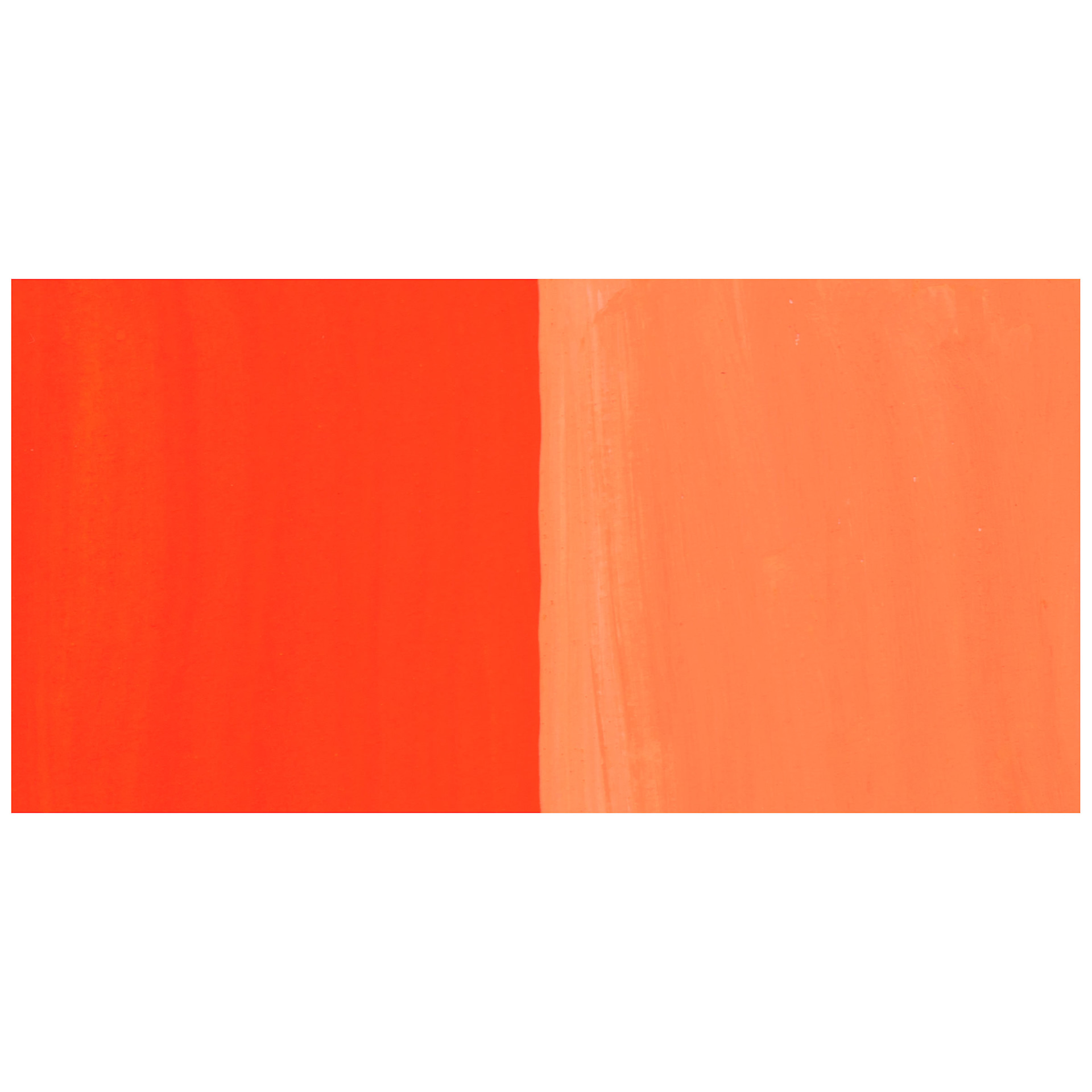
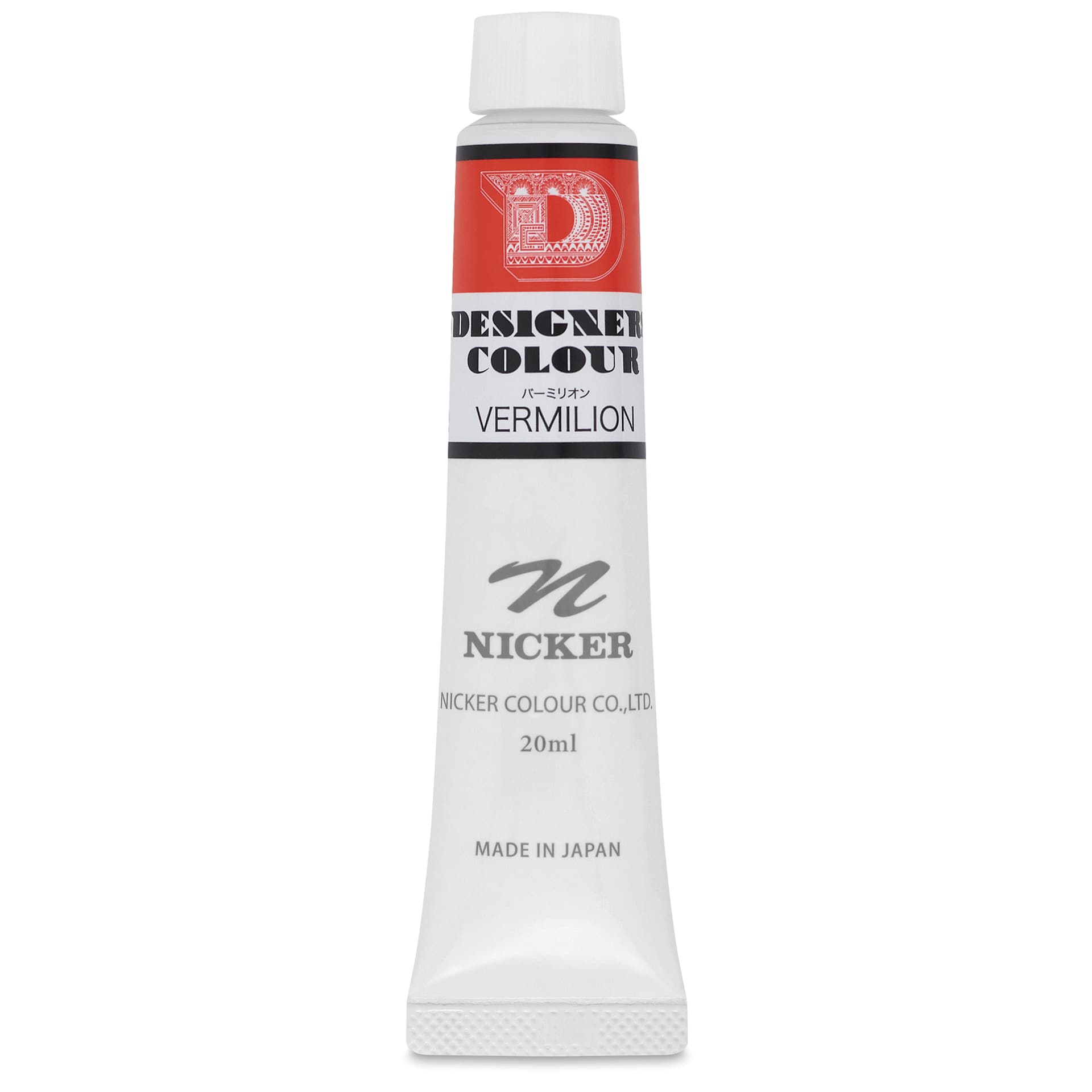
- Vermilion
- Format:
- Tube
- Size:
- 20 ml (0.68 oz)
Colors on Monitors -
Due to differences in users’ monitors, the colors presented are an approximation of the true color.
Reviews
Pigment Information
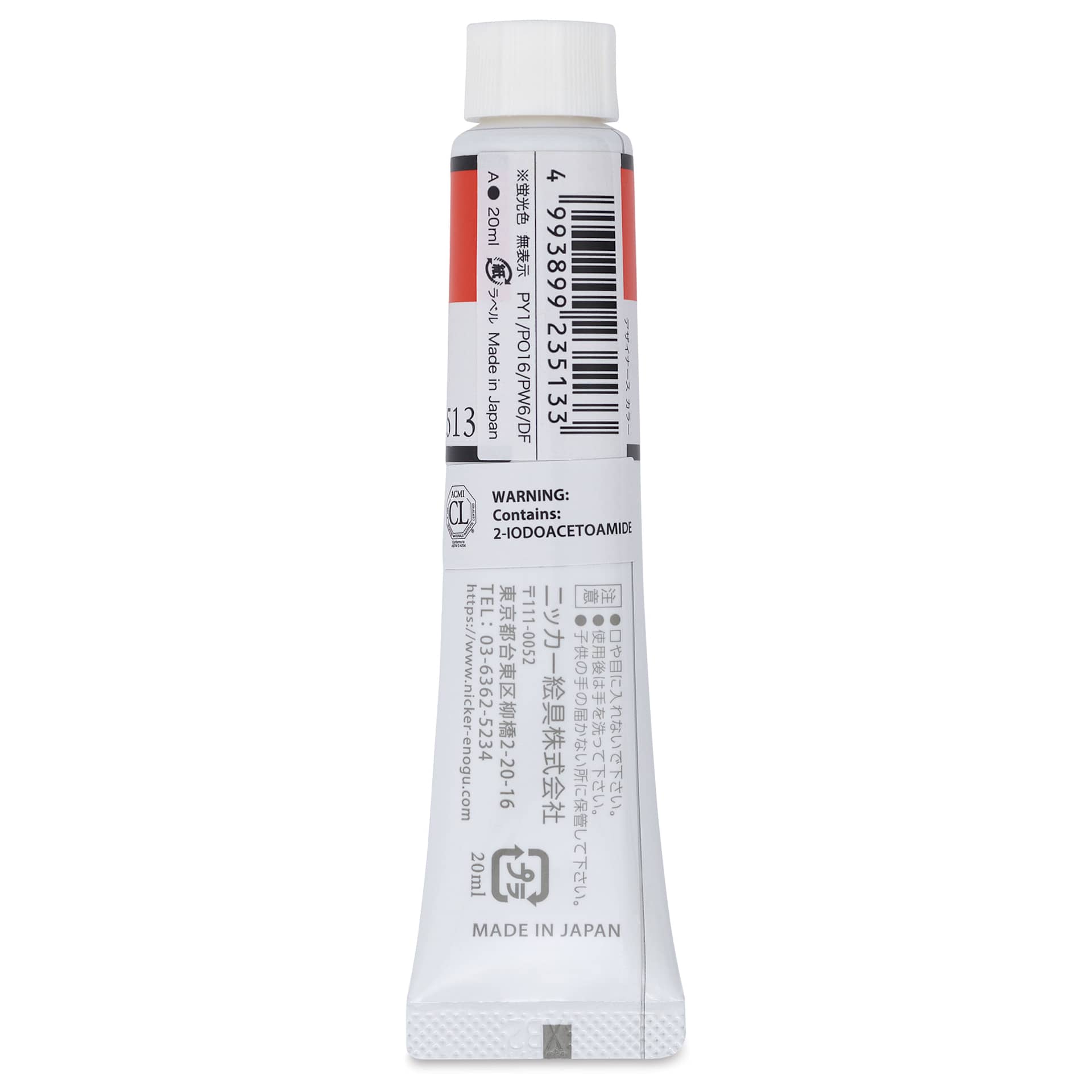
This color contains the following pigments:
PY1-Hansa Yellow G
PO16-Dianisidine Orange
PW6-Titanium White
Pigment Name
PY1-Hansa Yellow G
Pigment Type
organic, monoazo
Chemical Formula
C17H16N4O4
Properties
This Hansa yellow is a transparent yellow. It has great brightness and tinting strength and its drying time ranges from average to slow. Hansa Yellow makes more intense tints and cleaner secondaries than Cadmium Yellows, especially when mixed with other organic or modern colors like Phthalo Blue and Green. Because they are more transparent, they have great value as glazing colors.
Permanence
Hansa Yellow G has good permanence and lightfastness, particularly in the lighter shades.
Pigment Name
PO16-Dianisidine Orange
Pigment Type
organic, disazo
Chemical Formula
C34H32N6O6
Properties
Dianisidine Orange is a semi-opaque orange dye that can be laked to form a pigment. This pigment ranges from yellowish to reddish orange in different laked forms.
Permanence
Dianisidine Orange has only fair lightfastness.
History
Dianisidine Orange is used mostly in coloring plastics and in inks, in applications where safety is important but lightfastness and longevity are not paramount.
Pigment Name
PW6-Titanium White
Pigment Type
inorganic
Chemical Name
titanium dioxide
Chemical Formula
TiO2
Properties
Titanium White is the most brilliant of the white pigments. It is considered an all purpose oil color useful in all techniques and the best all around white. Its masstone is neither warm nor cool, placing it somewhere between Lead White and Zinc White. It is less prone to cracking and yellowing than Lead White, but it still yellows easily. Titanium White dries slowly in oil form, more slowly than Lead White but more quickly than Zinc White. It is opaque in oil and acrylic forms and semi-opaque in watercolor form. This pigment has good chemical stability, and its tinting strength is superior to both Lead White and Zinc White.
Permanence
Titanium White has excellent permanence and lightfastness.
History
Titanium is the ninth most abundant element in the Earth's crust, however mineral deposits that are economical to mine are less common. Titanium dioxide was first discovered in 1821, although it could not be mass produced until 1919. Widespread use of the pigment began in the 1940s. Since that time, it has become the most commonly used white pigment. The name comes from the Latin word Titan, the name for the elder brother of Kronos and ancestor of the Titans, and from the Greek word tito, meaning day or sun.
Safety Data Sheet
UPC Code: 4993899235133