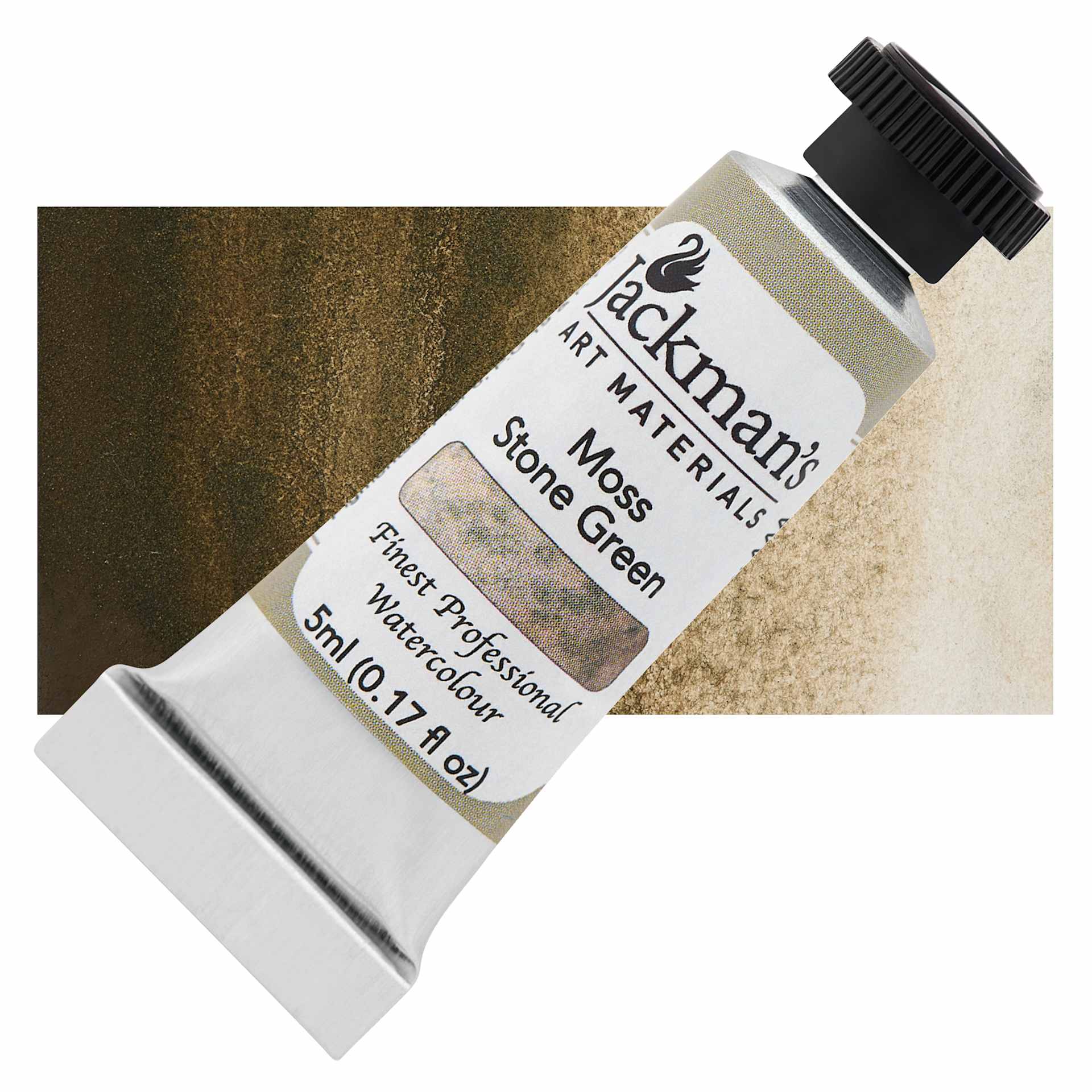
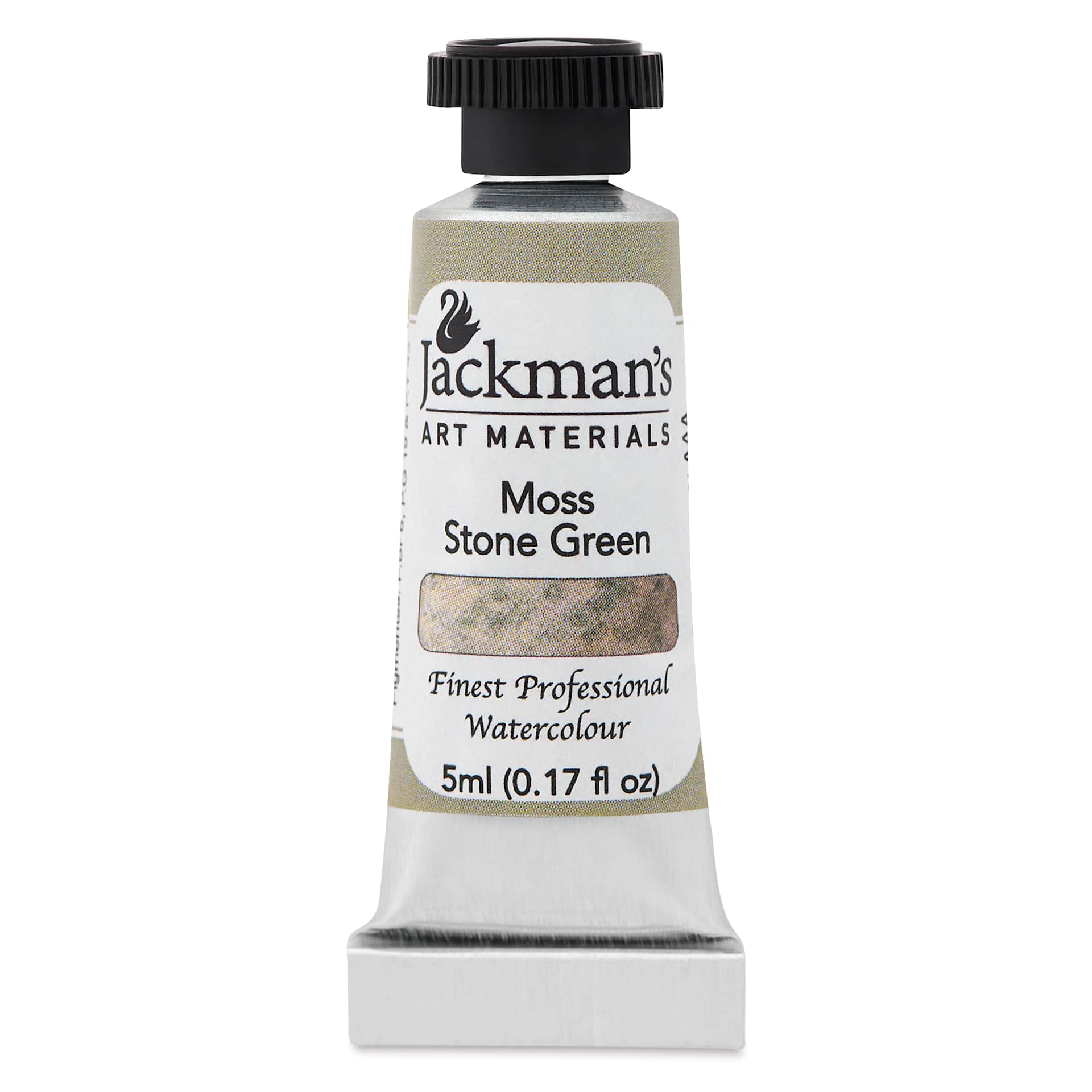
Jackman's Finest Professional Watercolour - Moss Stone Green, 5 ml Tube
Save For Later
My Store Pickup List
Please select a storeMy Wish Lists
My BlickU List(s)
My Quick Quotes
Product Details
- No.
- 22067
- Description:
- Professional Watercolour
- Color:
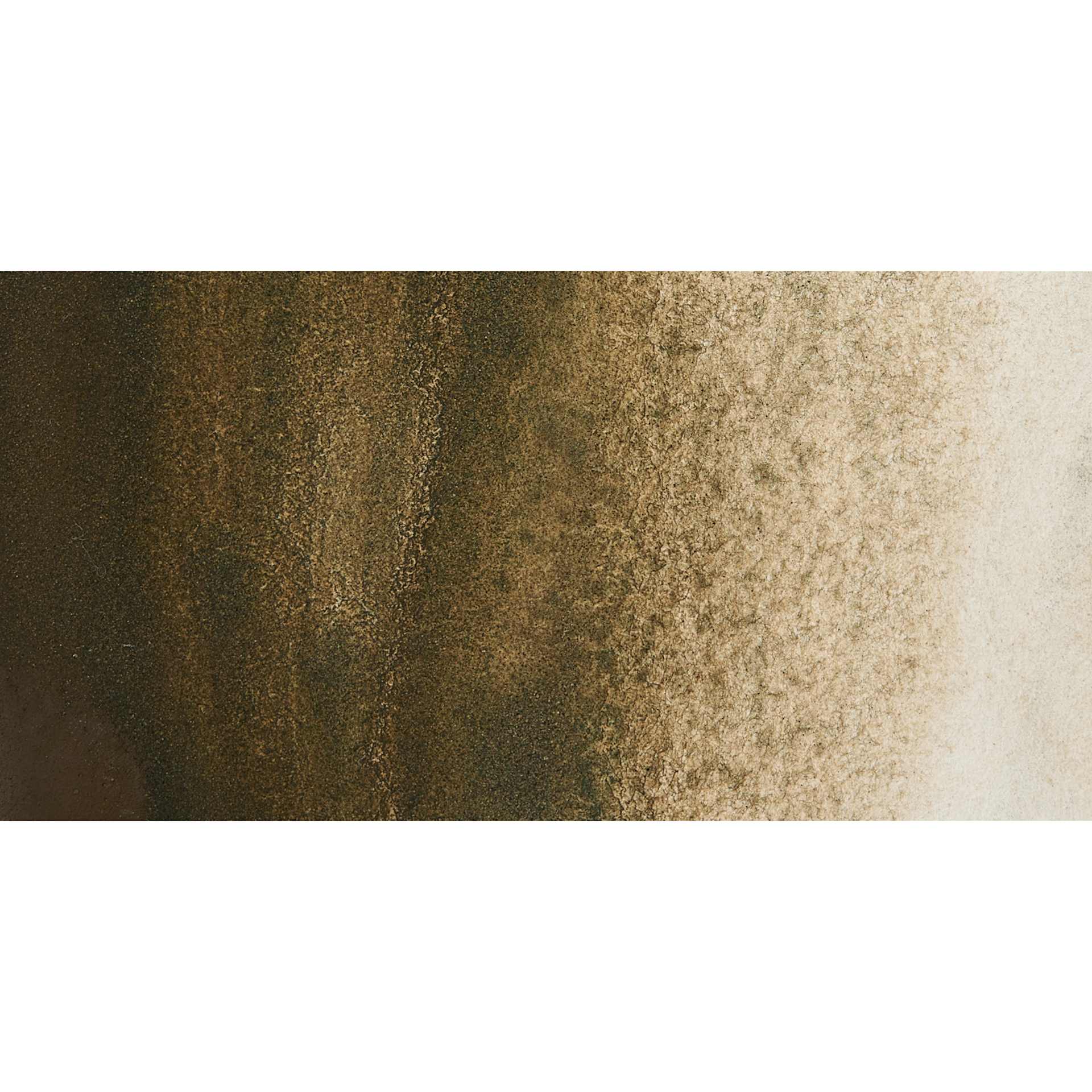
- Moss Stone Green
- Series:
- 3
- Lightfastness:
- 1 = Excellent
- Format:
- Tube
- Size:
- 5 ml (0.17 oz)
Colors on Monitors -
Due to differences in users’ monitors, the colors presented are an approximation of the true color.
Reviews
Pigment Information
This color contains the following pigments:
PBr6-Mars Brown
PG19-Cobalt Green
PY43-Yellow Ochre
Pigment Name
PBr6-Mars Brown
Chemical Name
iron oxide
Chemical Formula
Fe2O3
Properties
Mars Brown has similar general properties to the pure red oxides, and it is often a mix of synthetic forms of oxides such as PY42, PR101, and PBk11. Its tinting strength is low, and it dries quickly. Hues vary based on manufacturer.
Permanence
Mars Brown has excellent permanence and lightfastness, with outstanding resistance to chemicals, heat, and weather.
History
Unknown.
Pigment Name
PG19-Cobalt Green
Chemical Name
cobalt(II)-oxide-zinc(II)-oxide
Chemical Formula
CoO • ZnO
Properties
Cobalt Green is a pure, fairly opaque, moderately bright bluish-green with a low tinting strength and limited hiding power. It makes valuable grays and muted, minimalistic greens when mixed with other pigments. However, it can brown at full strength and fade when mixed with lead based whites. It is quick drying in oil form and is not widely used because its hue can easily be matched by mixing green and blue pigments with superior painting properties. It is currently not in wide use.
Permanence
Cobalt Green is completely lightfast. Its permanence is excellent, so it can be used in all painting techniques.
History
Cobalt comes from the Middle High German word kobolt, an underground goblin, because miners thought cobalt harmed silver ores. In 1780, the Swedish chemist Sven Rinmann developed a process for making a compound of cobalt and zinc (zinc oxide). It was introduced as a pigment in 1835, but poor tinting strength and high cost kept it in limited use throughout the next centuries. It gained some popularity among 19th century landscape painters.
Pigment Name
PY43-Yellow Ochre
Pigment Type
earth
Chemical Name
iron(III)-oxide, hydrated
Chemical Formula
Fe2O3H2O
Properties
Yellow Ochre provides artists with earthtones from cream to brown. It has good hiding power, produces a quick drying paint, and can be safely mixed with other pigments. Its transparency varies widely from opaque shades to more transparent ones, which are valued for their use as glazes. If gypsum is present, Yellow Ochre is not suitable for frescoing. (See Brown Ochre, PY43.) PY42 is made from synthetic iron oxides. PY43 is made from natural iron oxide.
Permanence
Yellow Ochre has excellent permanence because ochres are some of the most permanent pigments available.
History
Ochre comes from the Greek word ochros, meaning pale yellow. It was one of the first pigments to be used by human beings, and evidence of its use has been found at 300,000 year old sites in France and the former Czechoslovakia.
Safety Data Sheet
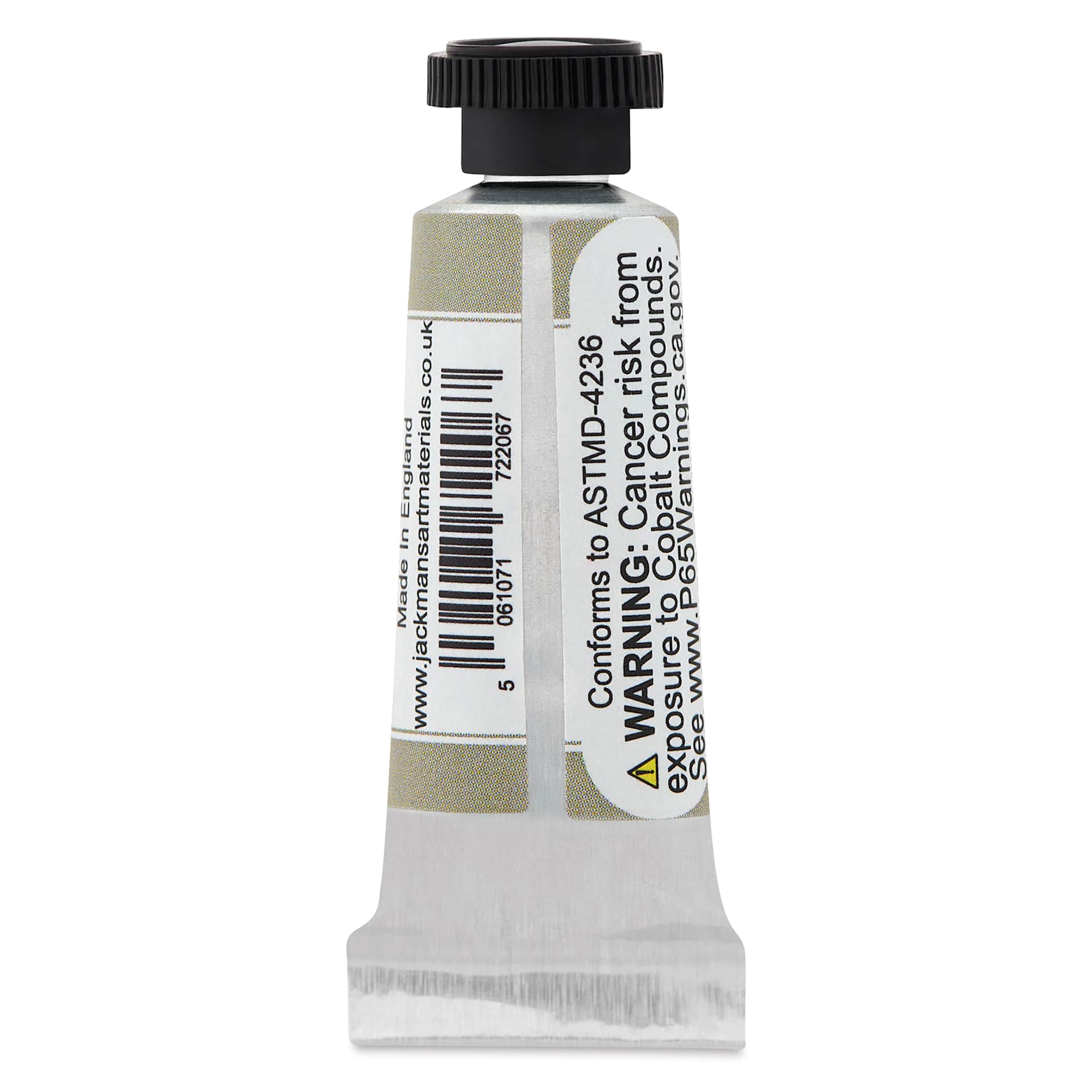
UPC Code: 5061071722067