Save For Later
My Store Pickup List
Please select a storeMy Wish Lists
My BlickU List(s)
My Quick Quotes
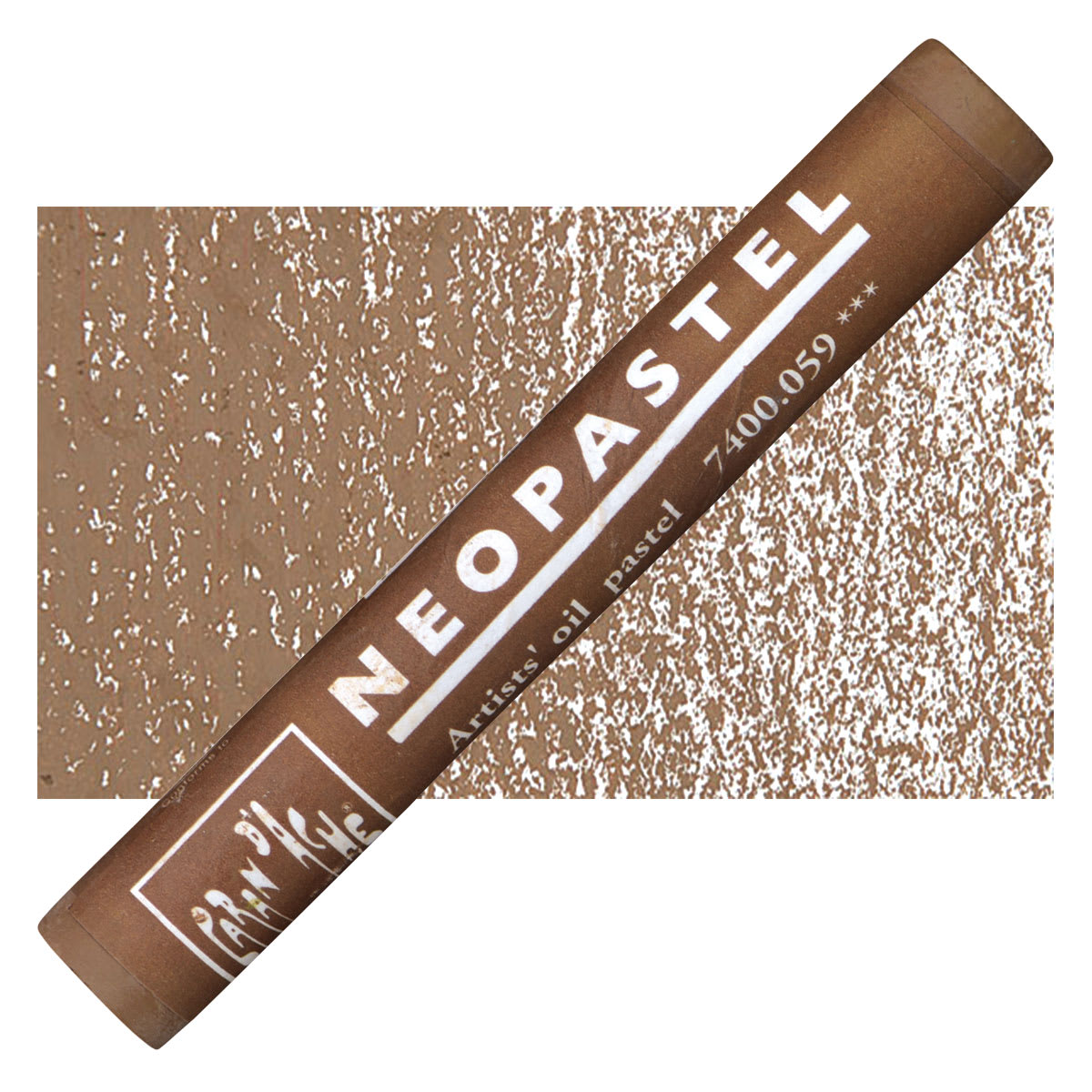
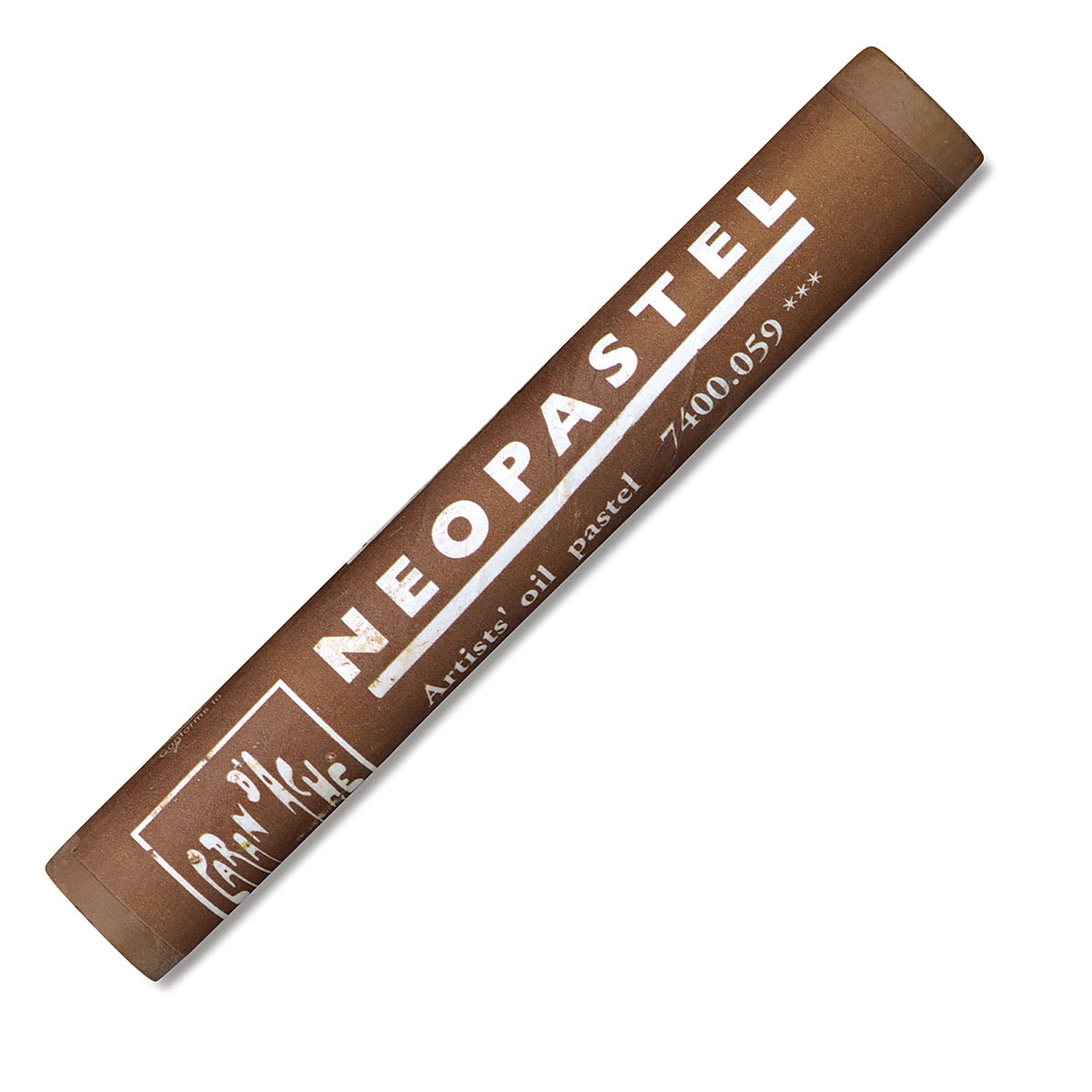
Product Details
- No.
- 059
- Description:
- Neopastel
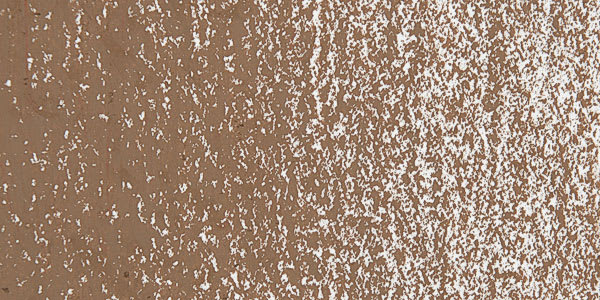
- Color:
- Brown
Colors on Monitors -
Due to differences in users’ monitors, the colors presented are an approximation of the true color.
Reviews
Pigment Information
This color contains the following pigments:
PB15-Phthalo Blue
PO62-Benzimidazolone Orange
PR112-Naphthol Red AS-D
PY42-Yellow Iron Oxide
PY3-Hansa Yellow 10G
Pigment Name
PB15-Phthalo Blue
Pigment Type
organic
Chemical Name
copper phthalocyanine
Chemical Formula
C32H16CuN8
Properties
Phthalo Blues are pure and clean primary blues with superior covering power. They have a very high tinting strength and tend to overwhelm other pigments, but if color strength can be controlled, they make predictable mixed colors. In oil form, blues are very deep and slow drying. When mixed with other colors or if chlorine is added, Phthalo Blue quickly tends towards green. When using alone, mix with some white, as Phthalo Blue can be semi-transparent and almost black on its own. It is among the most compatible of modern colors with mineral colors and is considered more reliable than Prussian Blue, while sharing the same physical and color properties. Phthalo Blue is a good color for glazing.
Permanence
Phthalo Blues are completely lightfast and stable and are permanent for all paint uses. They are currently used in inks, coatings, and many plastics due to their stability and are considered a standard pigment in printing ink and the packaging industry.
History
Developed by chemists using the trade name Monastral Blue, the organic blue dyestuff now known as Phthalo Blue was presented as a pigment in November 1935 in London. Its discovery was accidental. The dark color was observed in a kettle where a dye was being made from a British dyestuff plant. The demand for such a pigment came from commercial printers who wanted a cyan to replace Prussian Blue.
Pigment Name
PO62-Benzimidazolone Orange
Pigment Type
organic, monoazo
Chemical Formula
C17H13ClN6O5
Properties
Benzimidazolone Orange is a staining, yellowish orange pigment that can become dull in tints. It has an average drying time, and it loses some of its intensity as it dries. The yellowish orange varieties are more transparent.
Permanence
Benzimidazolone Orange has excellent lightfastness and outstanding heat and solvent stability for a monoazo pigment.
History
The benzimidazolone group of pigments was developed and patented in 1960 by Hoechst A.G., a German chemical manufacturer that was a forerunner of the pharmaceutical company Aventis. Use of benzimidazolone pigments in the auto industry, especially Benzimidazolone Orange, became common in the 1980s because they were common replacements for lead chromate pigments, which were phased out during this period.
Pigment Name
PR112-Naphthol Red AS-D
Pigment Type
organic, monoazo
Chemical Formula
C24H16Cl3N3O2
Properties
This Naphthol Red is an intense scarlet red pigment that is heavily staining. It has an average drying time. It is semi-transparent and has relatively poor covering power.
Permanence
This Naphthol Red has been rated as having excellent lightfastness under ASTM testing, but other testing methods have demonstrated some tendancy for the color to fade with exposure to strong ultraviolet light. It has been considered a replacement for less lightfast naphthol reds such as PR3. Not suitable for exterior use.
Pigment Name
PY42-Yellow Iron Oxide
Chemical Name
iron(III)-oxide, hydrated
Chemical Formula
Fe2O3 • H2O
Properties
Yellow Ochre provides artists with earthtones from cream to brown. It has good hiding power, produces a quick drying paint, and can be safely mixed with other pigments. Its transparency varies widely from opaque shades to more transparent ones, which are valued for their use as glazes. If gypsum is present, Yellow Ochre is not suitable for frescoing. (See Brown Ochre, PY43.) PY42 is made from synthetic iron oxides. PY43 is made from natural iron oxide.
Permanence
Yellow Ochre has excellent permanence because ochres are some of the most permanent pigments available.
History
Ochre comes from the Greek word ochros, meaning pale yellow. It was one of the first pigments to be used by human beings, and evidence of its use has been found at 300,000 year old sites in France and the former Czechoslovakia.
Pigment Name
PY3-Hansa Yellow 10G
Pigment Type
organic, monoazo
Chemical Formula
C16H12CL2N4O2
Properties
This Hansa yellow is a transparent yellow. It has great brightness and tinting strength and its drying time ranges from average to slow. Hansa Yellow makes more intense tints and cleaner secondaries than Cadmium Yellows, especially when mixed with other organic or modern colors like Phthalo Blue and Green. Because they are more transparent, they have great value as glazing colors.
Permanence
This Hansa Yellow has fair to good permanence, particularly in the lighter shades.
Safety Data Sheet
UPC Code: 7610186260599
ASIN #: B0052MG848