Synthetic Brushes


Shop All Synthetic Brushes
207 products
Displays products in a grid view
Displays products in a detail view
Shop All Synthetic Brushes
207 products
50+ Options
Princeton Velvetouch Synthetic Brushes and Sets
50+ Options
Item #: 06426
Containing a blend of luxurious NextGen synthetic filaments, Princeton Velvetouch Synthetic Brushes are the ultimate mixed media tool for watercolors,...
50+ Options
Blick Scholastic Wonder White Synthetic Brushes and Sets
50+ Options
Item #: 05377
Blick Scholastic Wonder White Brushes come in a wide range of shapes and sizes. White Taklon filaments deliver the texture and responsiveness of Red S...
+ 48 Options
Princeton Heritage Series 4050 Synthetic Sable Brushes and Sets
+ 48 Options
Item #: 06160
These excellent quality short handle brushes for the watercolor painter have the best point and spring of all Princeton synthetics.The special blend o...
50+ Options
Princeton Select Series 3750 Synthetic Brushes
50+ Options
Item #: 06381
The Princeton Select line of brushes goes beyond the basic brush shapes and sizes that make up the artist's arsenal. Joining a range of high-quality R...
+ 33 Options
Princeton Neptune Series 4750 Synthetic Squirrel Brushes and Sets
+ 33 Options
Item #: 09082
Neptune is Princeton's thirstiest brush ever, delivering oceans of color to the sheet. Princeton is proud to offer Neptune in a beautiful range of sha...
50+ Options
Princeton Catalyst Polytip Bristle Brushes and Sets
50+ Options
Item #: 06421
Princeton Catalyst Polytip Bristle Brushes are another Princeton breakthrough that advances the science of synthetic hair. By giving each individual h...
50+ Options
Princeton Aspen Synthetic Brushes and Sets
50+ Options
Item #: 09158
Princeton Aspen Synthetic Brushes combine performance, practicality, and style. Made from synthetic bristles with the same stiffness as natural bristl...
+ 4 Options
Blick Essentials Brown Nylon Value Brush Sets
+ 4 Options
Item #: 06280
Available in a range of shapes, sizes, and hair types, these very affordable brush sets are great for students, beginners, and the price-conscious pro...
+ 38 Options
Blick Masterstroke Golden Taklon Brushes
+ 38 Options
Item #: 09015
Redesigned to meet the standards of our other Masterstroke brushes, this professional grade of Golden Taklon is carefully engineered with tapered fila...
+ 39 Options
Princeton Aqua Elite Series 4850 Synthetic Brushes and Sets
+ 39 Options
Item #: 05465
Princeton Aqua Elite Series 4850 Brushes feature Princeton's NextGen synthetic fibers that are almost indistinguishable from natural Kolinsky in appea...
50+ Options
Winsor & Newton Cotman Watercolor Brushes and Sets
50+ Options
Item #: 05046
A range of synthetic brushes made by blending fibers of different thicknesses to achieve the most important qualities sought after by the watercoloris...
50+ Options
Simply Simmons Synthetic Brushes
50+ Options
Item #: 06725
For students, amateurs, and professionals alike, Simply Simmons Brushes offer excellent performance, dependability, and value — all at one low price. ...
+ 31 Options
Utrecht Manglon Synthetic Brushes and Sets
+ 31 Options
Item #: 04627
Utrecht Manglon Synthetic Brushes are known for their excellent paint capacity, their silky feel, an extraordinary snap-back, and great shape retentio...
+ 14 Options
Princeton Real Value Series 9100 Synthetic White Taklon Brush Sets
+ 14 Options
Item #: 06223
Great with any media, Princeton Real Value Series 9100 Synthetic White Taklon Brush Sets include a variety of shapes and sizes.
Use long-handle pain...100+ Options
Synthetic Hair Watercolor Brushes Liquidation
100+ Options
Item #: 66625
Once in a lifetime closeout prices! Wide variety of brands and products to choose from. Great value.
+ 46 Options
Liquitex Basics Synthetic Brushes and Sets
+ 46 Options
Item #: 09128
These long-handled white nylon brushes are durable, easy to clean, and hold ample amounts of color. Their medium-soft bristles provide the ideal respo...
+ 31 Options
Princeton Dakota Series 6300 Firm Synthetic Hair Brushes and Set
+ 31 Options
Item #: 05358
Princeton's long handle synthetic bristle brush has excellent stiffness, snap, and hair shape retention for maximum control. Easier to clean than natu...
+ 46 Options
Winsor & Newton Monarch Brushes
+ 46 Options
Item #: 05275
This unique synthetic fiber is so much like mongoose, it even has the tapered point and surface texture of the natural hair. Yet it has better durabil...
+ 4 Options
Blick Essentials White Nylon Value Brush Sets
+ 4 Options
Item #: 06280
Available in a range of shapes, sizes, and hair types, these very affordable brush sets are great for students, beginners, and the price-conscious pro...
+ 10 Options
Royal & Langnickel Soft Grip Golden Taklon Brush Sets
+ 10 Options
Item #: 05890
Inspire versatility while stretching your budget further with Royal & Langnickel Soft Grip Gold Taklon Brushes. These durable brushes feature soft, er...
100+ Options
Escoda Versatil Synthetic Brushes and Sets
100+ Options
Item #: 09331
The Escoda Versatil Synthetic Brush is the modern-day alternative to natural Kolinsky. Utilizing a carefully selected custom blend of uniquely pattern...
+ 4 Options
Royal & Langnickel Aqualon Soft Synthetic Fan Brushes
+ 4 Options
Item #: 04316
Royal & Langnickel Aqualon Brushes are soft fan brushes made from durable, multi-diameter synthetic fibers, perfect for covering large surfaces with c...
50+ Options
Silver Brush Bristlon Synthetic Brushes and Sets
50+ Options
Item #: 06697
A breakthrough brush for all media, Bristlon is a stiff white synthetic designed for use in oils, water-mixable oils, caseins, and acrylic colors. Eac...
+ 26 Options
Winsor & Newton Sceptre Gold II Brushes
+ 26 Options
Item #: 05846
Winsor & Newton's Sceptre Gold II brushes combine sable hair with a special blend of synthetic fibers to produce a brush that approaches the performan...
50+ Options
Royal & Langnickel Zen All Media Brushes and Sets
50+ Options
Item #: 09149
Lightweight and easy to handle, Royal & Langnickel Zen brushes are appropriate for all media. Synthetic multi-diameter filaments form excellent points...
+ 22 Options
Princeton SNAP! Series 9650 Golden Synthetic Brushes and Sets
+ 22 Options
Item #: 06254
The Golden Taklon short-handled Snap! brushes are ideal for acrylic and watercolor paints. Fun, but not frivolous, Snap! brushes from Princeton Artist...
+ 46 Options
Liquitex Freestyle Brushes
+ 46 Options
Item #: 09108
Liquitex Freestyle is an innovative range of professional products designed to expand the opportunities of traditional and non-traditional artistic ex...
+ 30 Options
Princeton Summit Series 6100 White Soft Synthetic Brushes
+ 30 Options
Item #: 06617
The Princeton Summit white synthetic bristle brushes are a better multi-purpose brush with interlocked hairs that offer fantastic resilience and contr...
+ 2 Options
Gamblin Gamvar Synthetic Varnish Brushes
+ 2 Options
Item #: 04315
The Gamblin Gamvar Synthetic Varnish Brush was developed by Gamblin to work perfectly with Gamblin Gamvar varnishes. This synthetic bristle brush is s...
+ 32 Options
Princeton Mini Detailer Series 3050 Synthetic Brushes and Sets
+ 32 Options
Item #: 05654
With these brushes' unique, non-slip, comfort control handles, you can feel the difference! They are made from a synthetic sable blend for better brus...


Featured Article

Brush Shape Differences
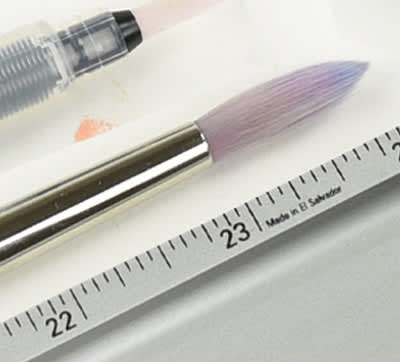
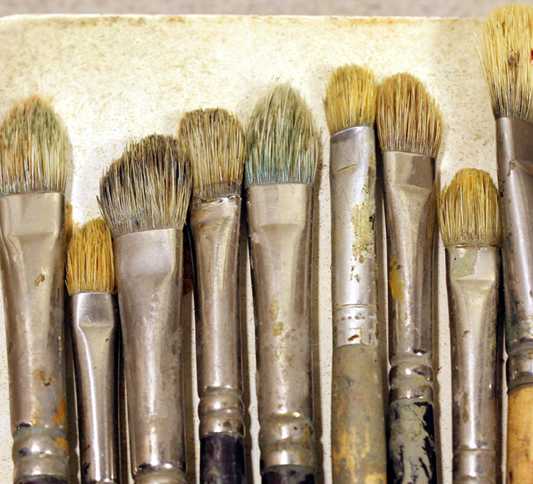
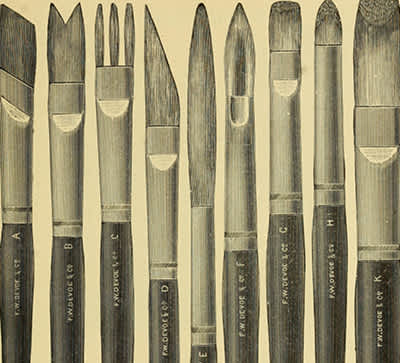
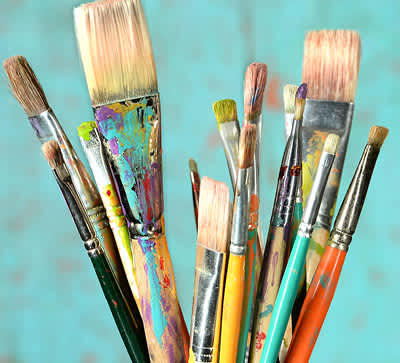
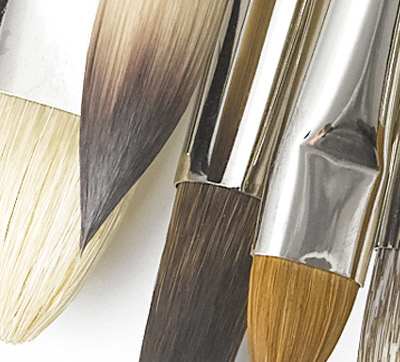
Paintbrushes are available in a wide variety of shapes. Selecting a brush shape that is suitable for your media, style, and scale can help you more easily achieve your artistic goals. Whether you’re adding intricate details and textures or laying in large areas of water or color, our comprehensive guide will help you select the right brush shape for any painting project. To learn more about brushes, visit [Brush Fiber Differences](https://www.dickblick.com/lp/brush-fiber-differences/ "Brush Fiber Differences") and [How to Measure a Brush](https://www.dickblick.com/lp/how-to-measure-a-brush/ "How to Measure A Brush").
Frequently Asked Questions
Featured Lesson Plans


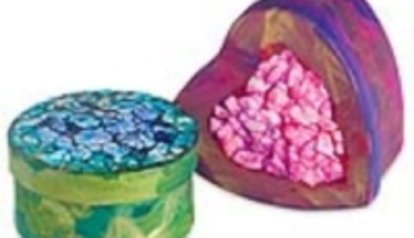
Traditionally, eggshell mosaics are made by first dying then positioning each shard individually — a time-consuming and delicate process. This project introduces a new way to crush and color eggshells, creating intricate veining and texture all at once without pre-dying or arranging each fragment. The simple glue-and-paint process and satisfying “crunch!” of breaking eggshells will delight children of all ages and skill levels.

Rattles are the only musical instrument found throughout the world. While their physical forms vary, their uses are very consistent. Many cultures give infants rattles as a toy. In rituals and ceremonies, rattles are used prominently and often believed to possess supernatural powers. Students explore texture and clay construction as they form a rattle inspired by natural shapes: seed pods, shells, gourds, rain-sticks, etc.

Les Fauves (translation: “The Wild Beasts”) were a group of artists whose work was characterized by seemingly wild brush work and strident colors. The colors the Fauves used are also favored by wild birds. Hummingbirds like red, orange and pink. Songbirds prefer colors that mimic trees and bushes. To see which species of birds are attracted to these “beastly” colors, students create a painted, hanging birdfeeder from a stretched canvas or “upcycled” wooden frame.


