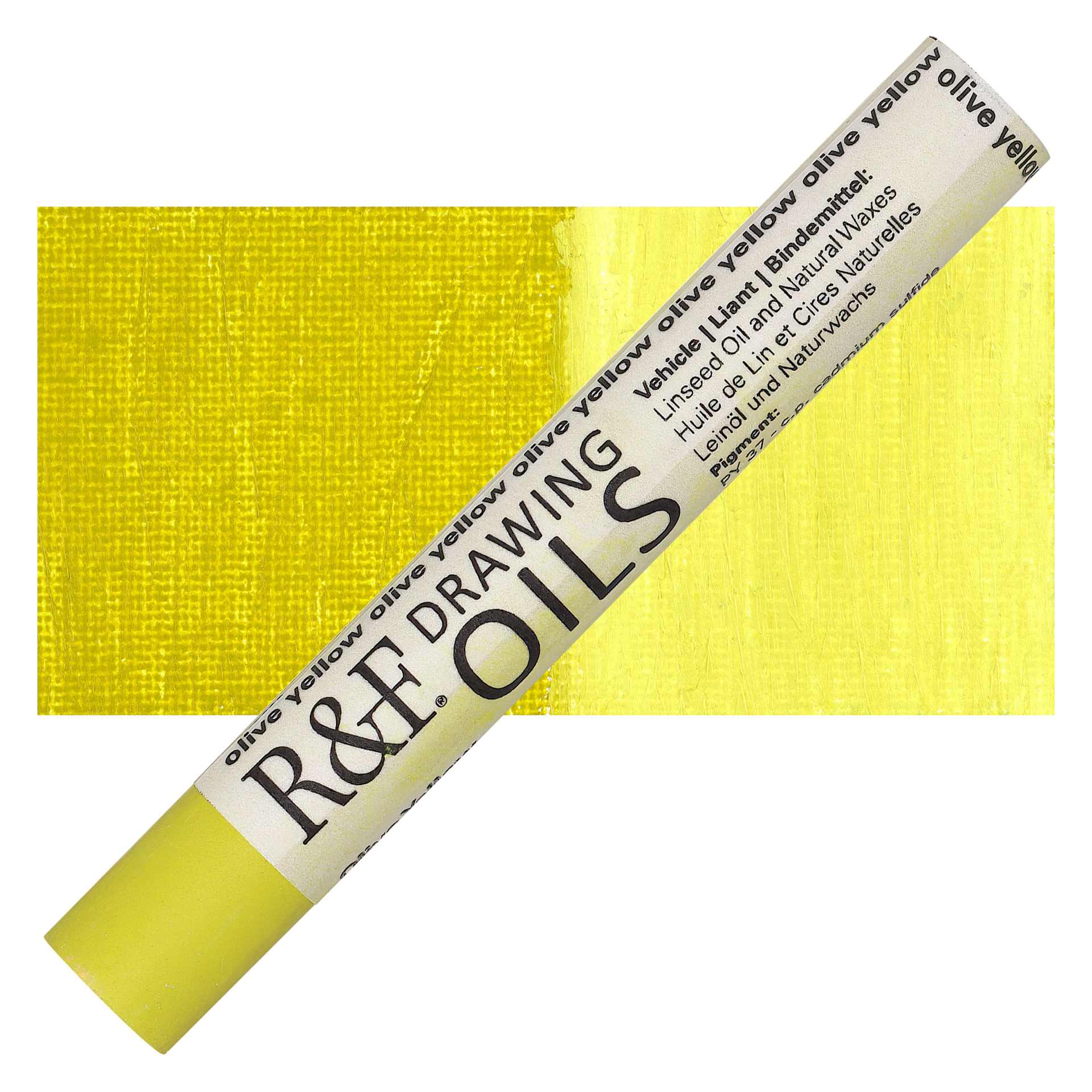
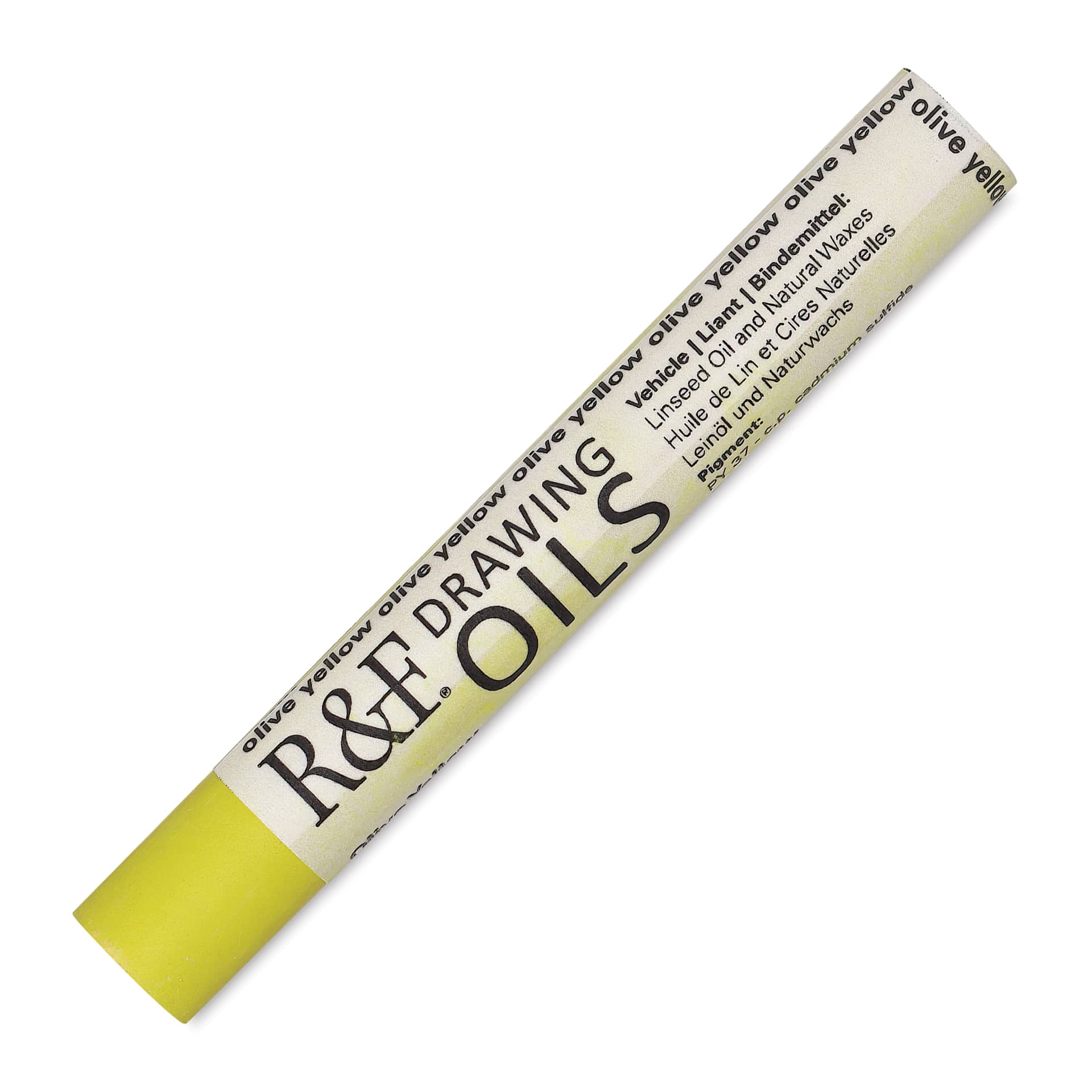
R&F Drawing Oil Stick - Olive Yellow, 12 ml
Save For Later
My Store Pickup List
Please select a storeMy Wish Lists
My BlickU List(s)
My Quick Quotes
Product Details
- Description:
- Drawing Oil Stick
- Color:
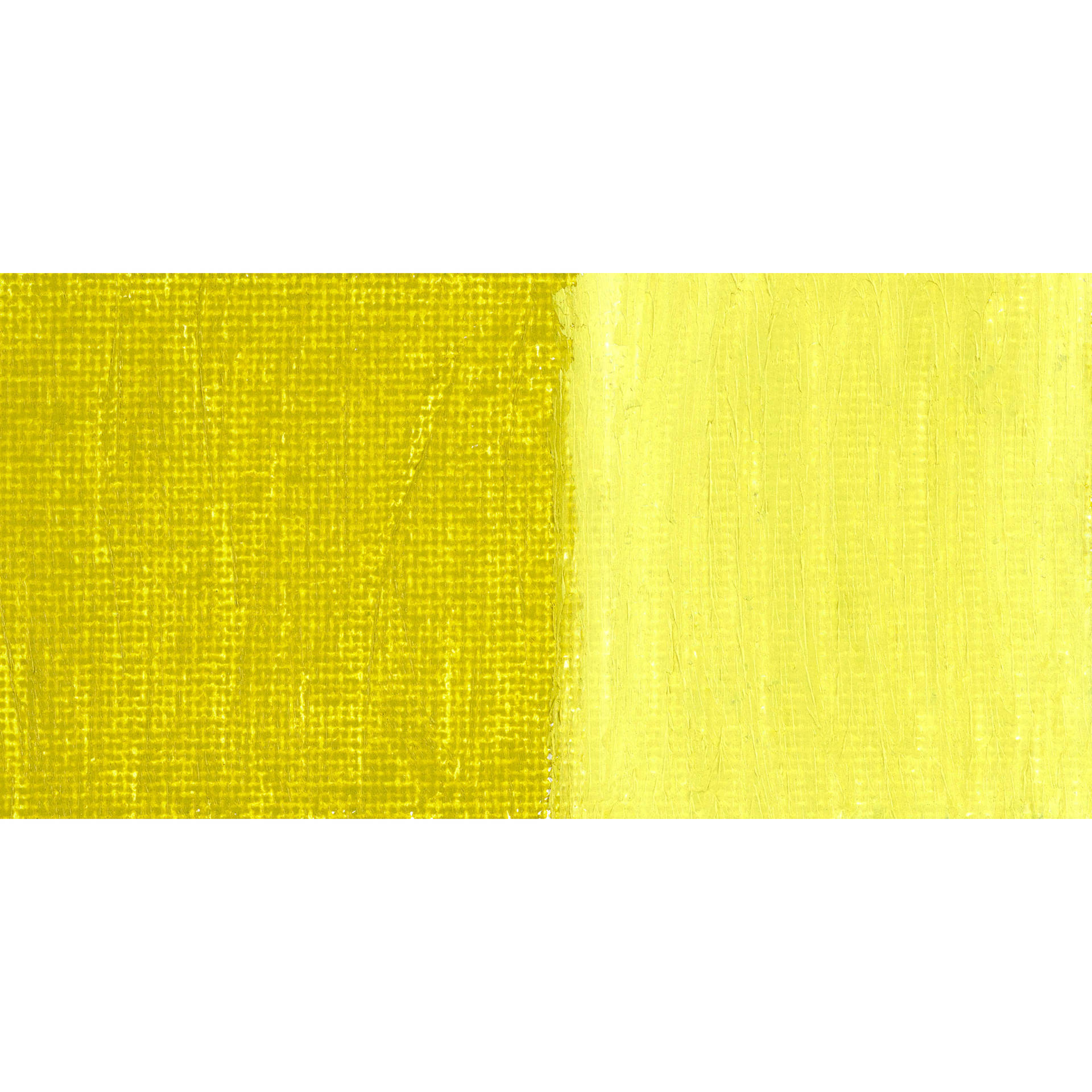
- Olive Yellow
- Size:
- 12 ml (0.41 oz)
- Format:
- Stick
Colors on Monitors -
Due to differences in users’ monitors, the colors presented are an approximation of the true color.
Reviews
Pigment Information
This color contains the following pigments:
PY37-Cadmium Yellow
PV15-Ultramarine Violet
PY42-Yellow Iron Oxide
Pigment Name
PY37-Cadmium Yellow
Pigment Type
inorganiic, cadmium
Chemical Name
cadmium(II)-sulfide
Chemical Formula
CdS
Properties
Cadmium Yellow is brilliant, dense, and opaque, with good tinting strength and very high hiding power. It is the artist’s principal bright yellow and is available in light, medium, and dark shades. The deeper shades appear deep orange and have the greatest tinting strength. It is slow-drying in oil form and is used in both oil and watercolor form. It cannot be mixed with copper-based pigments. A clean Cadmium Orange is created when Cadmium Yellow is mixed with Cadmium Red. Hues vary by brand. Cadmium pigments have been partially replaced by azo pigments, which are similar in lightfastness to the cadmium colors, cheaper, and non-toxic. Cadmium Yellow is usually available in a pure grade, or in a cadmium-barium mix. This mix has the same permanence with a lower tinting strength.
Permanence
Cadmium Yellow is lightfast and permanent in most forms, but like most cadmium colors, it will fade in fresco or mural painting. The deeper shades are the most permanent. The pale varieties have been known to fade with exposure to sunlight.
History
Cadmiums get their names from the Latin word cadmia meaning zinc ore calamine, and the Greek word kadmeia, meaning Cadmean earth, first found near Thebes, the city founded by the Phoenician prince Cadmus. Metallic cadmium was discovered in 1817 by Friedrich Strohmeyer. Oil colors were first made from Cadmium Yellow pigments in 1819, replacing toxic Chrome (lead) Yellows. However, their production was delayed until 1840 due to the scarcity of cadmium metals. Landscape painters, such as Claude Monet, preferred Cadmium Yellow to the less expensive Chrome Yellow because of its higher chroma and greater purity of color.
Pigment Name
PV15-Ultramarine Violet
Pigment Type
inorganic
Chemical Name
complex silicate of sodium and aluminum with sulfur
Chemical Formula
H2Na(4-6)Al6Si6O24S2
Properties
Ultramarine Violet is a semi-transparent, dull purple to pale violet with low tinting strength. As a pigment, it is weak in most oil applications, but it performs better in water-based mediums, pastels, and chalks. It is generally the bluest of the violet pigments, although there can be significant differences in color across brands. It is not suitable for fresco work and does not mix well with yellows. Ultramarine Violet is a variant of Ultramarine Blue, and their pigment properties are identical.
Permanence
Ultramarine Violet has excellent permanence and lightfastness.
History
Unknown.
Pigment Name
PY42-Yellow Iron Oxide
Chemical Name
iron(III)-oxide, hydrated
Chemical Formula
Fe2O3 • H2O
Properties
Yellow Ochre provides artists with earthtones from cream to brown. It has good hiding power, produces a quick drying paint, and can be safely mixed with other pigments. Its transparency varies widely from opaque shades to more transparent ones, which are valued for their use as glazes. If gypsum is present, Yellow Ochre is not suitable for frescoing. (See Brown Ochre, PY43.) PY42 is made from synthetic iron oxides. PY43 is made from natural iron oxide.
Permanence
Yellow Ochre has excellent permanence because ochres are some of the most permanent pigments available.
History
Ochre comes from the Greek word ochros, meaning pale yellow. It was one of the first pigments to be used by human beings, and evidence of its use has been found at 300,000 year old sites in France and the former Czechoslovakia.
Safety Data Sheet
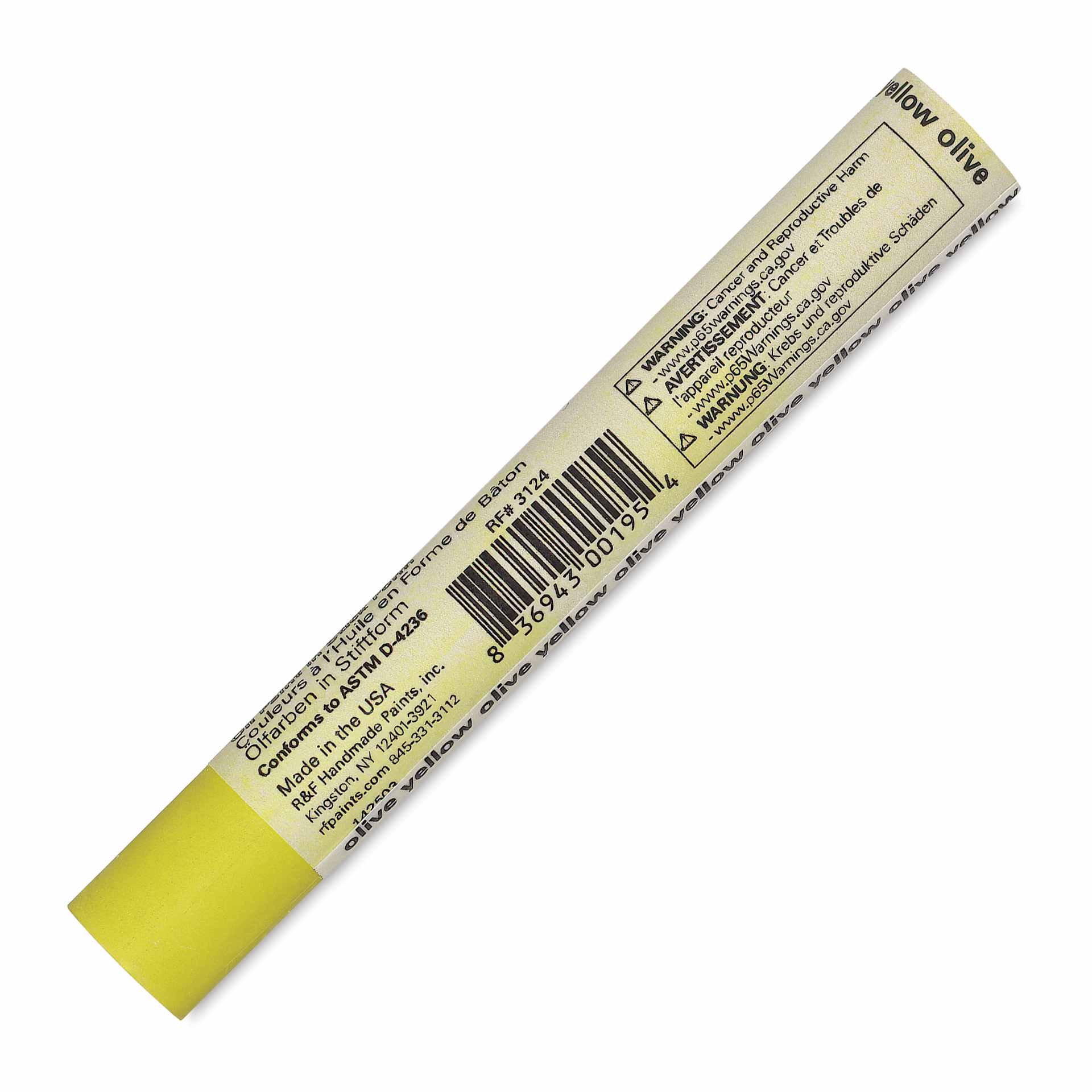
UPC Code: 836943001954