Fabric Painting and Decorating


Shop All Fabric Painting and Decorating
393 products
Displays products in a grid view
Displays products in a detail view
Shop All Fabric Painting and Decorating
393 products
100+ Options
Jacquard Textile Colors and Sets
100+ Options
Item #: 01208
Create vibrantly colored textile pieces with Jacquard Textile Colors. These professional quality, medium-body fabric paints are permanent and colorfas...
Jacquard Cyanotype Sensitizer Set
Item #: 01321
Jacquard Cyanotype lets you create rich, Prussian Blue-colored photographs and photograms on fabric or paper in just minutes. Use the Jacquard Sensiti...
+ 4 Options
Golden GAC 900 Fabric Medium
+ 4 Options
Item #: 00628
Golden GAC 900 Fabric Medium is ideal for clothing artists. Blend it with acrylic colors to create fabric paints. When heat-set properly, this medium ...
+ 8 Options
Aleene's Original Tacky Glue
+ 8 Options
Item #: 23826
Extra thick and extra tacky, Aleene's Original Tacky Glue is a versatile all-purpose glue designed for a wide range of crafts and DIY home projects. P...
+ 44 Options
Jacquard Procion MX Fiber Reactive Cold Water Dye
+ 44 Options
Item #: 01302
Procion dyes are permanent, colorfast, and very washable. You can easily create a palette of brilliant colors ranging from light pastels to deep, vibr...
+ 2 Options
Jacquard Soda Ash Dye Fixer
+ 2 Options
Item #: 01302
Jacquard Soda Ash Dye Fixer is a mild alkali dye fixer necessary for activating and setting Jacquard Procion MX Fiber Reactive Dyes. It can be used as...
+ 4 Options
Jacquard Cyanotype Fabric Sheets and Packs
+ 4 Options
Item #: 01321
Traditional cyanotype was an antique photographic process distinctive for producing Prussian Blue monochromatic prints. Today, Jacquard Cyanotype lets...
+ 40 Options
Rit All Purpose Liquid Dye
+ 40 Options
Item #: 01273
Create something custom and unique with all-purpose Rit All Purpose Liquid Dye. It works with cotton, linen, silk, wool, ramie, rayon, nylon, wood, pa...
+ 15 Options
Jacquard SolarFast Dyes and Kit
+ 15 Options
Item #: 48933
SolarFast dyes are colorless out of the bottle, but develop into beautifully vibrant and permanent hues when applied and exposed to sunlight. To creat...
50+ Options
Jacquard Dye-Na-Flow Fabric Colors and Sets
50+ Options
Item #: 01218
Dye-Na-Flow is a free-flowing textile paint made to simulate dye. These highly concentrated, translucent colors are incredibly versatile. They are per...
+ 2 Options
Mayco Empty Plastic Detailer Bottles
+ 2 Options
Item #: 30706
Perfect for all types of detailing, fine lines, writing, and outlining, Mayco empty bottles can be used with a variety of paints, resists, glazes, and...
+ 4 Options
Wear'm Canvas Tote Bags
+ 4 Options
Item #: 15732
Wear’m Canvas Tote Bags give you a ready-to-decorate surface for embroidery, screen printing, fabric paint, iron-on vinyl, and more! Made of 100% natu...
+ 32 Options
First Quality 50/50 T-Shirts - Adult Sizes
+ 32 Options
Item #: 44965
These top-quality T-shirts are made from a blend of 50% polyester and 50% cotton. They come in a range of colors, in both Adult and Youth sizes.
Liquitex Effects Fabric Medium
Item #: 00618
Liquitex Effects Fabric Medium reduces the stiffness that results from using acrylic directly from the jar and eliminates the need to scrub roughly te...
+ 4 Options
Richeson Plastic Squeeze Bottles
+ 4 Options
Item #: 04916
Richeson Plastic Squeeze Bottles are for storing and dispensing paint, glue, dye, water, or any other liquid. Can be screwed onto Master Paint Striper...
+ 4 Options
Nitrile Powder-Free Disposable Gloves
+ 4 Options
Item #: 35200
Ideal for working with solvents, Nitrile is chemical resistant and helps dissipate electrostatic charges. Latex, powder, and allergen free.
+ 41 Options
Smart-Fab Art and Decoration Fabric
+ 41 Options
Item #: 62500
Smart-Fab is the smart alternative to paper and cloth. Pleasantly cloth-like to the touch, it's an innovative non-woven fabric that's easy to cut, fol...
+ 3 Options
Design Works Unbleached Muslin
+ 3 Options
Item #: 63987
Made of tightly woven 100% cotton, Design Works Unbleached Muslin is a studio staple for many art, craft, and sewing projects. The high-quality natura...
+ 2 Options
Fineline Precision Applicators
+ 2 Options
Item #: 03423
Fineline precision applicators allow you to create complex designs, draw endless lines, and precision spot, by making precise, accurate, controlled pl...
+ 3 Options
Essentials by Leisure Arts Fiber-fil Polyester Stuffing
+ 3 Options
Item #: 64975
Create new projects or enhance old ones with Essentials by Essentials by Leisure Arts Fiber-fil Polyester Stuffing. This high-quality, breathable fibe...
100+ Options
Jacquard Acid Dyes and Sets
100+ Options
Item #: 63411
Ideal for animal hair fibers such as wool and mohair, as well as silk and nylon, Jacquard Acid Dyes produce the brightest, most brilliant colors possi...
+ 17 Options
Rit ProLine Powder Dye
+ 17 Options
Item #: 01381
Highly versatile, Rit ProLine Powder Dye can dye a vast range of fabrics and materials. Use it on natural and synthetic materials, including cotton, l...
+ 29 Options
Cricut Smart Iron-On Heat Transfer Vinyl
+ 29 Options
Item #: 83778
Wear your creativity on your sleeve, jacket, or backpack with Cricut Smart Iron-On Heat Transfer Vinyl. No cutting mat needed — just load it into your...
+ 3 Options
Fineline Empty Applicator Ink Pens
+ 3 Options
Item #: 08972
With Fineline Ink Pens, you can work with fast-flowing inks for a longer period before having to refill. Designed for use with high-flow acrylics, wat...
50+ Options
Pebeo Setacolor Fabric Paints and Sets
50+ Options
Item #: 01237
Ready-to-use and highly concentrated, Pebeo Setacolor Fabric Paints create beautiful effects on natural and synthetic fibers. Customize fabrics with p...
+ 3 Options
Jacquard Cyanotype Potassium Ferricyanide
+ 3 Options
Item #: 01321
Jacquard Cyanotype Potassium Ferricyanide is a red salt used with ferric ammonium citrate for cyanotype printing. It is the raw material used for maki...
+ 2 Options
Jacquard Cyanotype Ferric Ammonium Citrate
+ 2 Options
Item #: 01321
Jacquard Cyanotype Ferric Ammonium Citrate is a light-sensitive iron salt used with potassium ferricyanide for cyanotype printing. This is the raw mat...
+ 3 Options
Delta Sobo Craft and Fabric Glue
+ 3 Options
Item #: 23820
This glue is a general-purpose glue for school, craft, and household use. Sobo withstands multiple freeze-thaw cycles and dries fast and clear.
+ 19 Options
Tulip Dimensional Fabric Paint Sets
+ 19 Options
Item #: 01283
Get creative in 3-D with Tulip Dimensional Fabric Paint. This permanent paint is formulated for lasting adhesion to fabric, so designs stay dimensiona...
50+ Options
Createx Acrylic Paints and Sets
50+ Options
Item #: 01210
Createx has improved upon its original acrylic line formerly sold as Createx Poster and Fabric Colors. Createx Medium Body Acrylics are non-toxic, wat...


Featured Lesson Plans
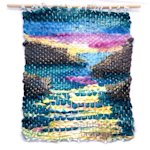
Painted Tapestry
Combine painting with weaving for a fresh mixed media textile experience! "Found" materials — scraps of felt and fabric, ribbons, cotton yarn, and canvas — can be enhanced with opaque watercolor, providing shading and color gradations.
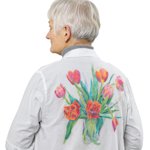
Artfully Altered Fabric Design
Breathe new life into shirts, jeans, and more using common drawing materials (that you probably already have). Fabric medium is a clear acrylic fluid that can help make many drawing and painting supplies more permanent and washable on fabric.
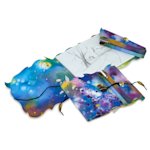
Color Field Sketchbook
Stain painting was a successful technique employed by Color Field artists Helen Frankenthaler and Morris Louis. They poured diluted acrylic color over large canvases to form “veils” of brilliant color. In this lesson, students will first learn a simple process for creating their own drawing pad, then stain and design a canvas cover for it.
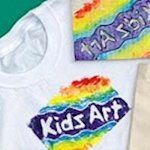
“Print & Go” T-Shirts
Printing creative T-shirts and fabrics doesn’t always require stencils and screens — students can easily design their own giant stamps and paint them any way they want. Even if each shirt displays the same message, each will be a completely unique work of art! This process is perfect for group settings — schools, camps, daycare centers, clubs, family reunions and special events — but it is also ideal for countless home decorating and craft projects.
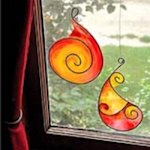
Painted “Silk” Shapes
The production and commerce of decorated silk fabrics began thousands of years ago in China. This project introduces fine-mesh polyester as a silk-like fabric for painting. Form a wire shape as a support and paint with transparent liquid acrylic color. Finished pieces are flexible and may be heat-set for outdoor display.
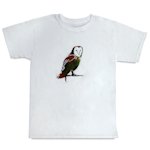
Simple Silk Screen in the Round
Silk screening is made simple with the use of an embroidery hoop frame and Mod Podge! Simply draw an image on silk screen fabric with a pencil and paint around the outside with Mod Podge. Pull fabric ink though with a squeegee and you're done! Add handpainted details to add even more color.
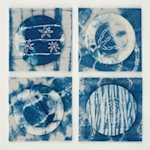
Shibori Sensation
Using the traditional Japanese method of tie-dyeing called Shibori, students create a graphic wall piece of dyed muslin. Tie, fold, crimp, and bind muslin to create gorgeous patterning. Once submerged in the natural indigo dye, the fabric is transformed. Students share fabric patterns that are juxtaposed and embellished with stitching for added interest. Shibori also makes a great t-shirt, apron, or bag!
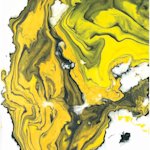
Simple Suminagashi Monoprints
Suminagashi is a process in which Sumi ink is floated on the surface of plain water, then transferred to a sheet of paper. Each monoprint is like a fingerprint — unique and unreproducible.
Featured Videos
Rit Back to Black Dye Kit | Black Fabric Dying Tutorial
Rit DyeMore Synthetic Fiber Dye | Top Tips on Dying Fabrics
Rit Color Stay Dye Fixative | How to Make Fabric Dye Last
How to Dye Polyester and Nylon with Jacquard iDye
How To Tie-Dye at Home with Talens Textile Silk Sets
Pebeo Setaskrib Fabric Markers
Jacquard Dye-Na-Flow Textile and Silk Paint
Tie Dyeing with Jacquard Procion Dye
Marbling Fabric and Paper with Jacquard Marbling Kit
Pebeo Setacolor Opaque Fabric Paint
Smart-Fab Art and Decorating Fabric
Browse Related Categories


Featured Brands


