Lesson Plans
Blick Lesson Plans: hundreds of free, original ideas for Art Education!
Carousel with 3 slides. Use arrow keys, previous and next buttons, or dot navigation to browse. Autoplay is enabled; use play and pause buttons to control.
At Blick, we love those "light bulb" moments when an idea inspires and the creative juices start to flow. Geared for a wide variety of age and skill levels, we offer hundreds of Lesson Plans designed to meet the National Standards for Visual Art Education and bring the value of creativity to any teaching experience. All original. All free. Help yourself!
Refine Results
Lesson Plan | Description | Grade Level |
|---|---|---|
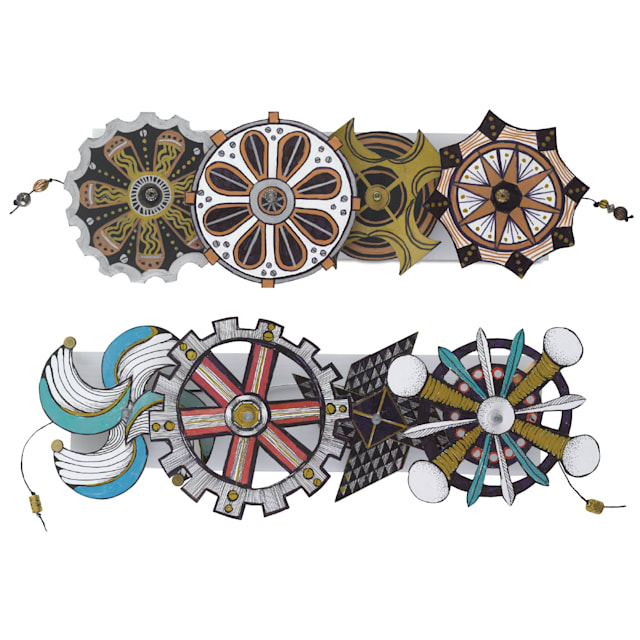 | FEATURED! “Art-O-Motion” Mechanical Sculpture Updated with new featured content
In 1913, Marcel DuChamp mounted a spinning bicycle wheel to a stool to make what is considered the first kinetic sculpture. Since then, many artists have paired physical science and engineering with artistic vision to create amazing pieces of mechanical sculpture. This simple, pulley-operated design has students design “gears” that spin on spools when a string is pulled.  | Grades 5-12 |
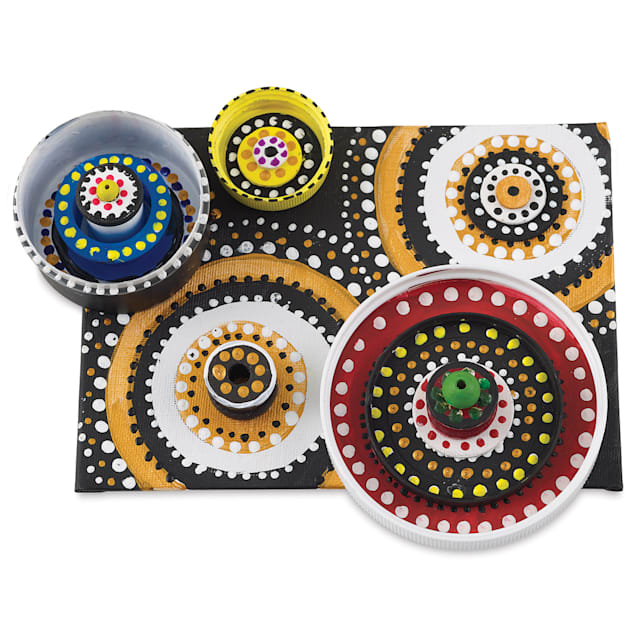 | FEATURED! Dot, Dot, Dimension Yayoi Kusama is obsessed with dots and has been using them since her role as an avant-garde artist in 1960s counterculture. And why not? Dots are fun, dots are fast, dots are universal. They can be rounded or spherical, they can rise above a surface or remain flat. Anyone can start with a dot, diverge to a pattern, and end with a painting or assemblage. The trick is repetition — of shape, sizes, colors, and patterns. | Grades K-12, Special Education |
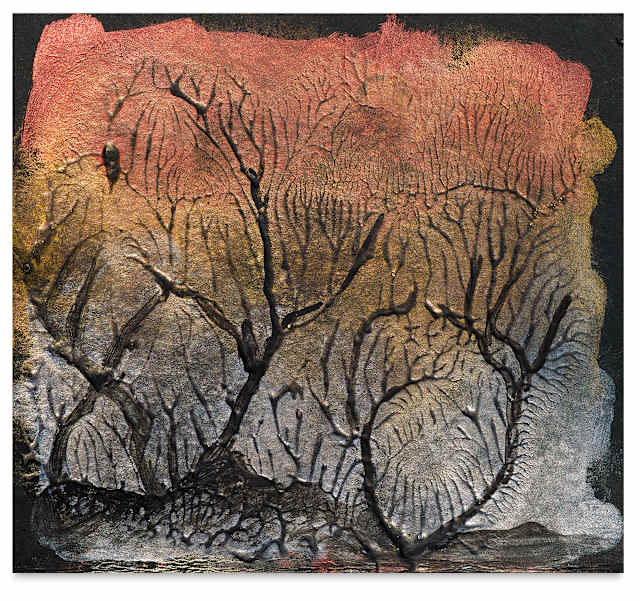 | FEATURED! Luminous Black Glue Prints Decalcomania is a transfer technique used by some early 20th century surrealist painters to acheive spontaneous and uncontrolled art-making. This process presses black glue between two sides of a sheet of paper to create textures resembling tree branches, feathery foliage or frost patterns. Enhanced with metallic watercolor, these prints create moody, luminous landscapes. | Grades 3-12 |
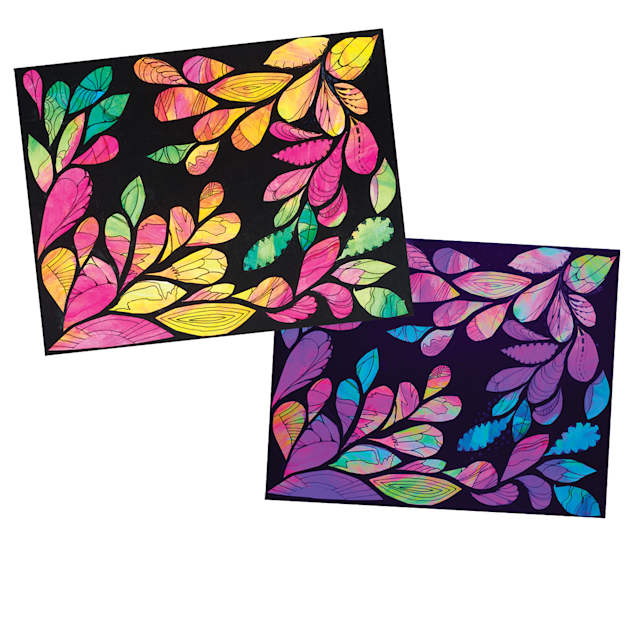 | NEW! Glow Paper Mosaics Bright in the daylight, luminous under UV light—these mosaics count on contrast for maximum effect | Grades 3-12 |
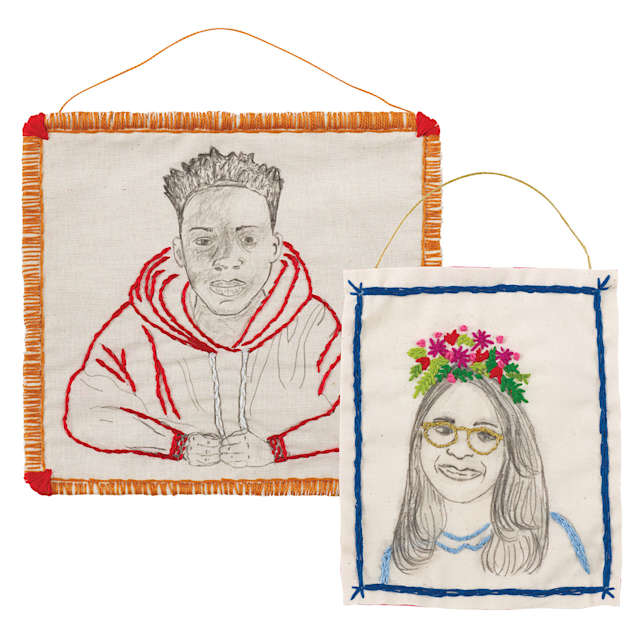 | Perfect for introducing embroidery techniques, this lesson focuses on adorning a monochrome graphite portrait with pops of color and imaginative embellishments. Embroidered elements can be as simple or elaborate as needed to match the artist's skill level and achieve the intended effect.
A stitch guide at the end of the lesson outlines basic techniques that can be combined to create a wide range of imagery. | Grades 5-12 |
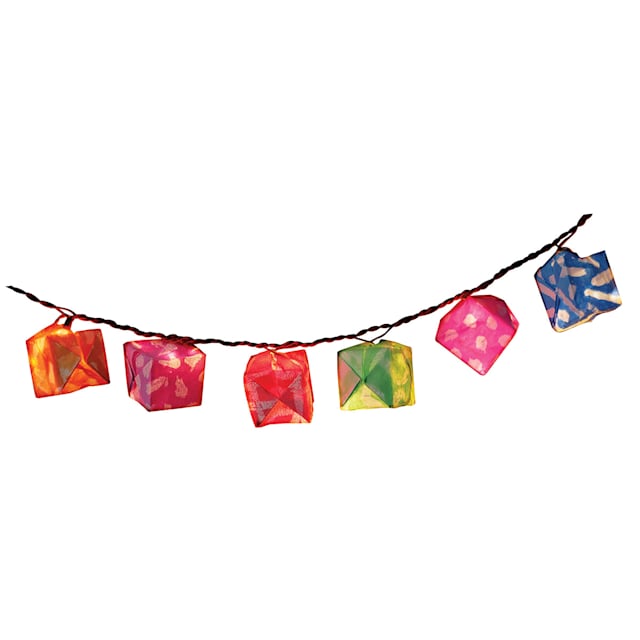 | Every celebration needs a little glitter and shining lights to get the party started! Combine batik methods, new Blick Liquid Watercolor glitter colors, and origami to create festive string light covers that are truly dazzling. No two lights will be the same, and together they have the power to transform ordinary spaces into magical wonderlands, one glittering light at a time. | Grades 3-12 |
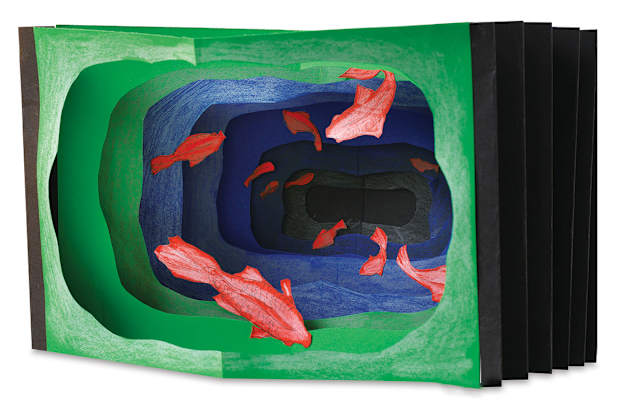 | NEW! Depth Perception Want to “go deep” into art?
This simple tunnel book tells the story about using perspective, line, color and shading to increase the illusion of distance | Grades 5-12 |
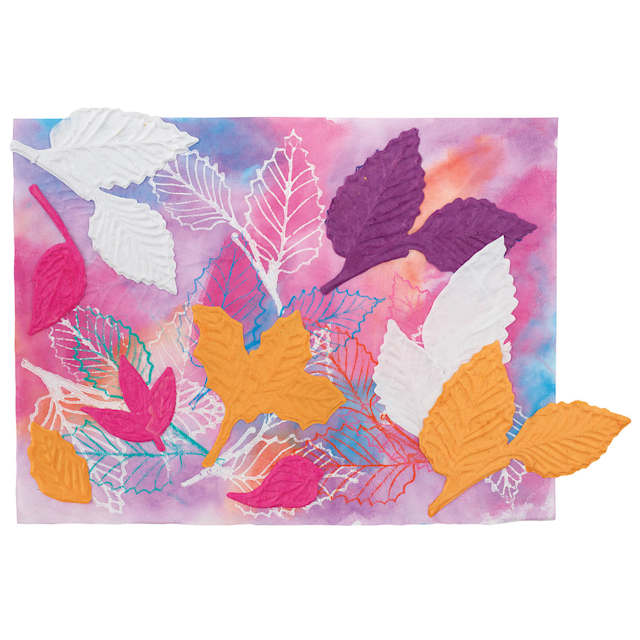 | In this experimental mixed media collage, we’ll explore techniques and traditional uses of rubbing plates then push beyond them into printmaking, embossing, debossing, and casting. | Grades 1-12 |
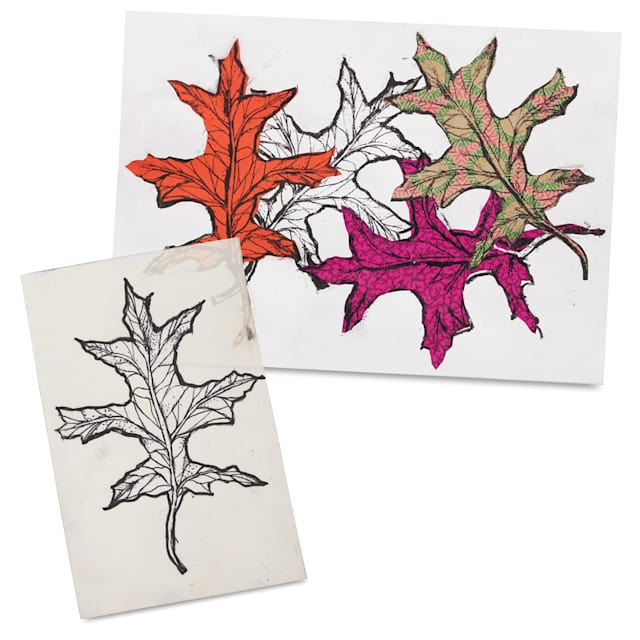 | NEW! Pronto Chine Colle Pattern your prints! Combine colorful
papers with paper-plate lithography to make a printmaking collage. | Grades 9-12 |
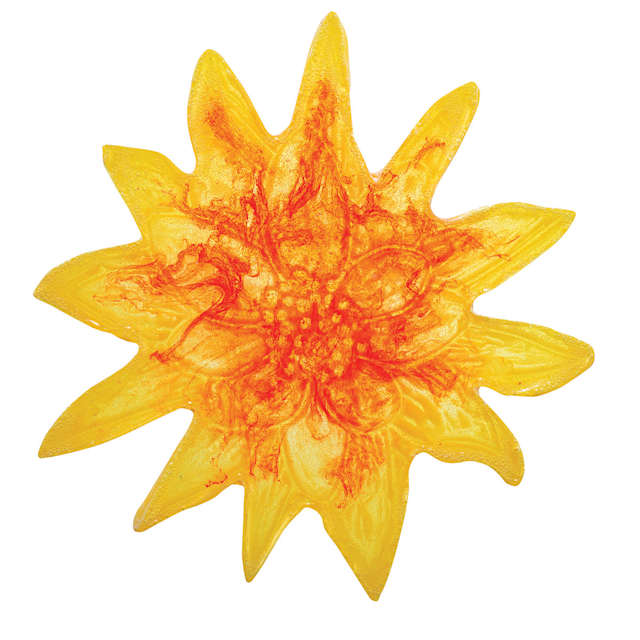 | A simple introduction to a widely used technique! Build a unique mold and cast an embellished resin piece. | Grades 5-12 |
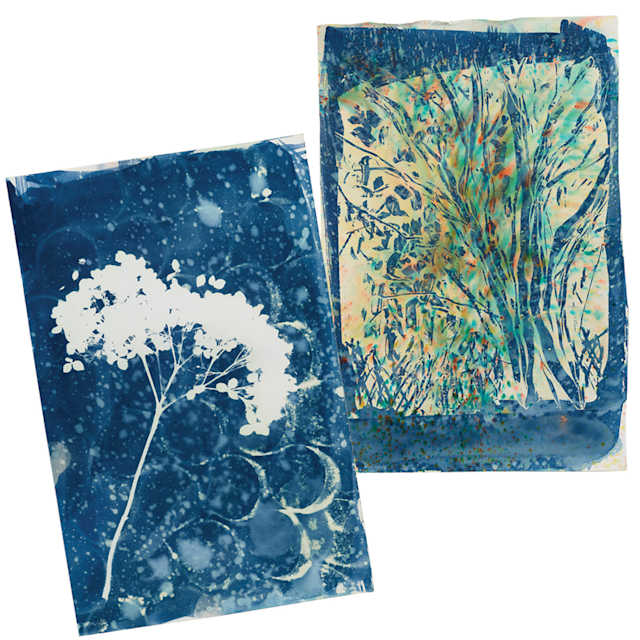 | NEW! Wet Cyanotype Prints Experimental and playful, this alternative
photography process allows you to spritz, sprinkle, layer, and combine techniques to create one-of-a-kind monoprints. | Grades 3-12 |
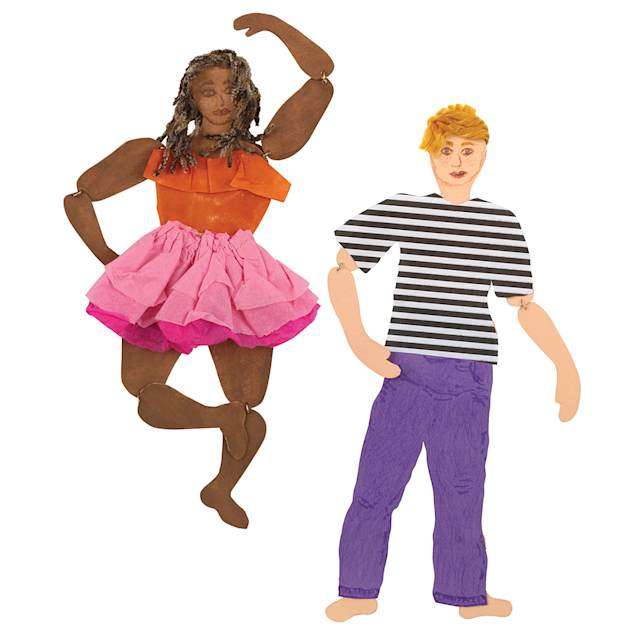 | We hear a lot about body positivity these days, but what does it really mean? It means feeling confident and secure in the body you have. It means not comparing yourself to friends, social media, or celebrities. It means expressing your whole self, all the time.
Discuss the concept of body positivity as a group. Then, with the goal of celebrating their own unique shapes and styles, students will design movable, posable paper figures in their own image. | Grades 5-12 |
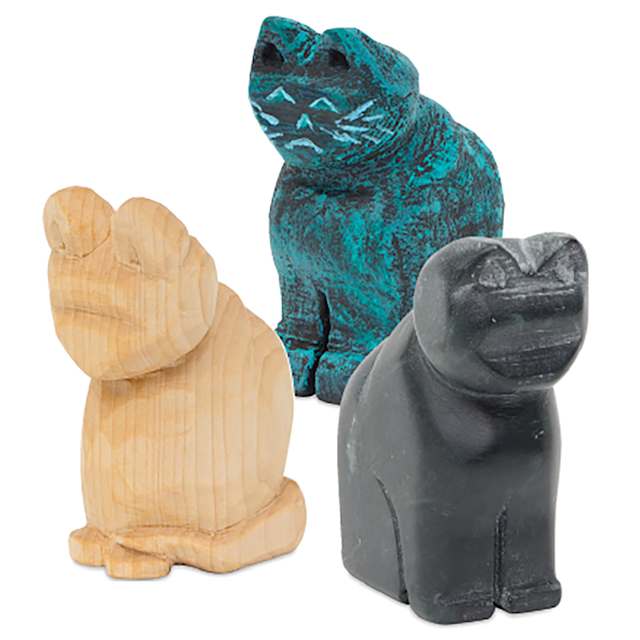 | NEW! Reductive Sculpture Reductive sculpting is the process of creating a three-dimensional form by selectively removing material from a solid block to achieve a specific shape. This lesson is divided into three sections based on sculpting material and skill level. While different tools are used for each material, the basics of preparing a block of material are the same.
Learn the right tool for the right job and sculpt like a pro! | Grades 5-12 |
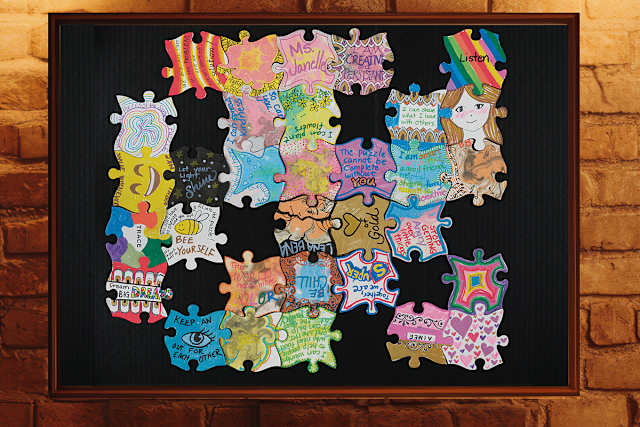 | One-of-a-kind Suminagashi prints are personalized with words, images, and designs, expressing both individual expression and community inclusion.
| Grades K-12 |
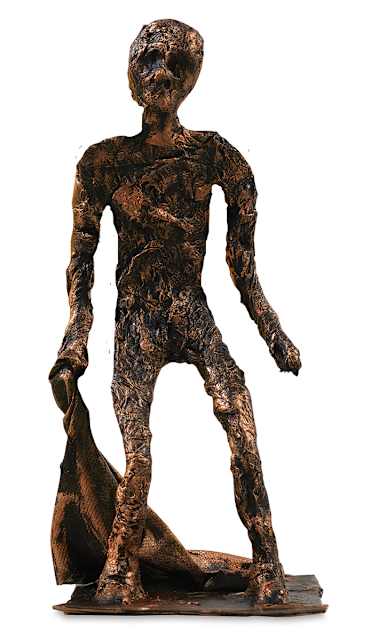 | Inspired by the work of Alberto Giacometti, these expressive sculptures start with a stick figure and are developed using kraft paper and Blick Essentials Art Paste. | Grades 5-12 |
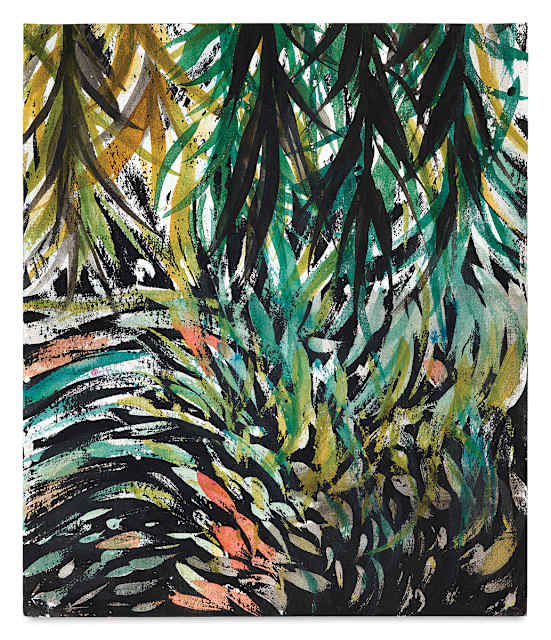 | The practice of Sumi-e is an expression of the present moment.
For this lesson, permanent ink is brushed in rhythmic strokes and layered with washable tempera paint. The tempera acts as a resist and washes away. Experience the expressive East Asian-style painting that is accomplished only with a Sumi-e brush. | Grades 5-12 |
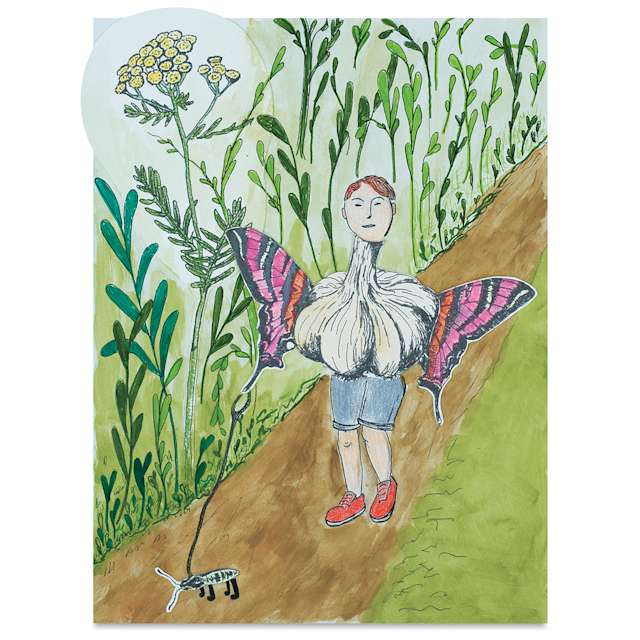 | This collaborative game, inspired by Salvador Dali's botanical prints, combines reproductions of technical drawings, action phrases, and elements of chance to create a multimedia collage. It relies on technical drawing skills, creative composition, imagination, and humor, resulting in a hilariously bizarre Surrealist narrative. | Grades 5-12 |
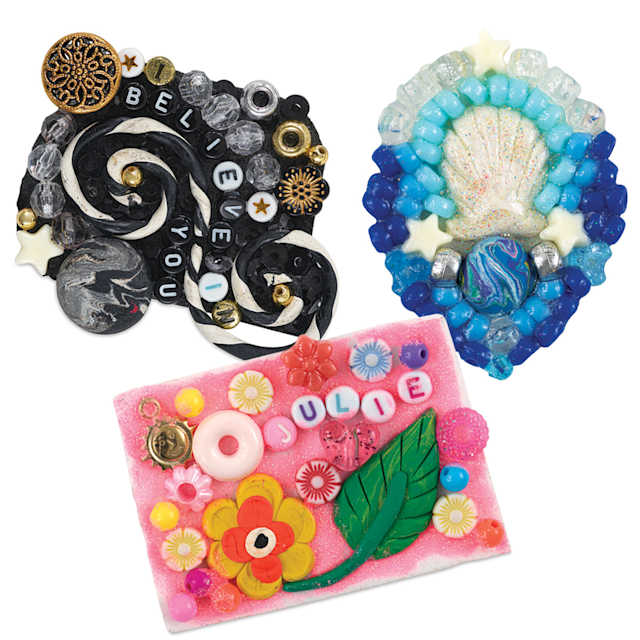 | Small and symbolic, beads can represent cultures and tell visual stories.
Begin this lesson by creating self-expressive beads and charms from polymer clay. Arrange them with manufactured beads on a self-adhesive surface to form "Beadies" - small collages that sparkle and shine. | Grades K-12 |
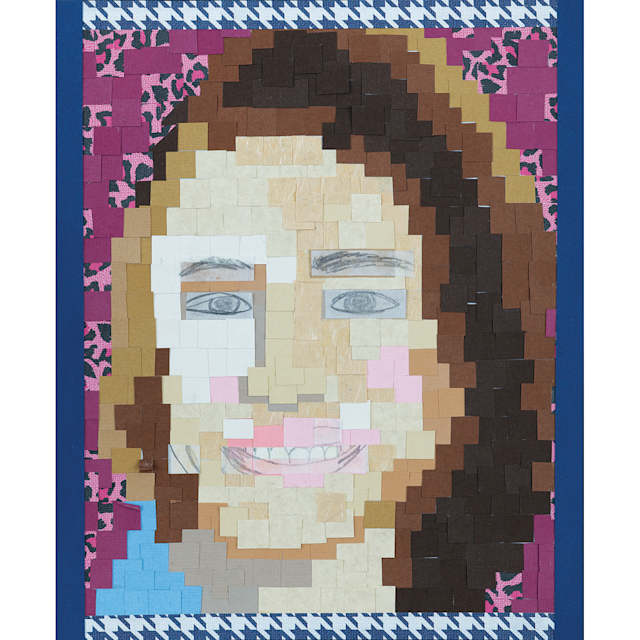 | Squares of colored and patterned paper bring this color study likeness into—or out of—focus. | Grades 5-12 |
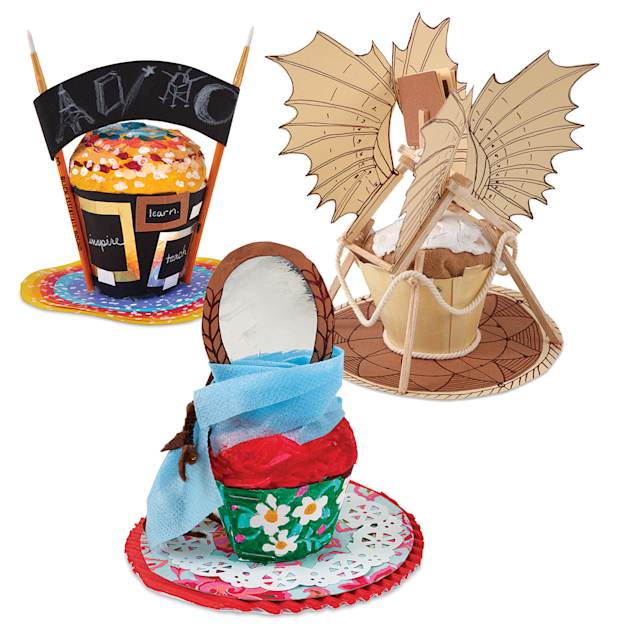 | Cake is synonymous with celebration.
For World Art Day, or simply a way to say "thank you", make a special connection with a selected artist by creating a cupcake just for them. More than just an appreciation of their work, this sculptural, non-edible cake recognizes their ideas and accomplishments. | Grades 3-10 |
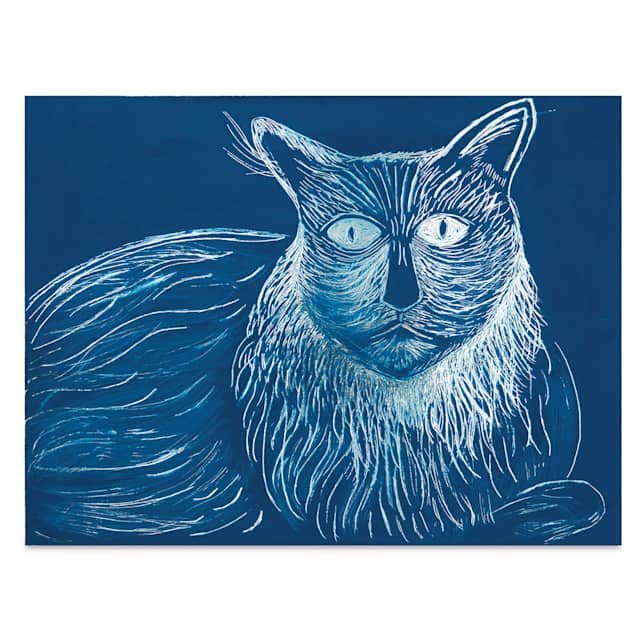 | Transform (almost) any plastic or paper surface into a scratch art canvas! | Grades 3-12 |
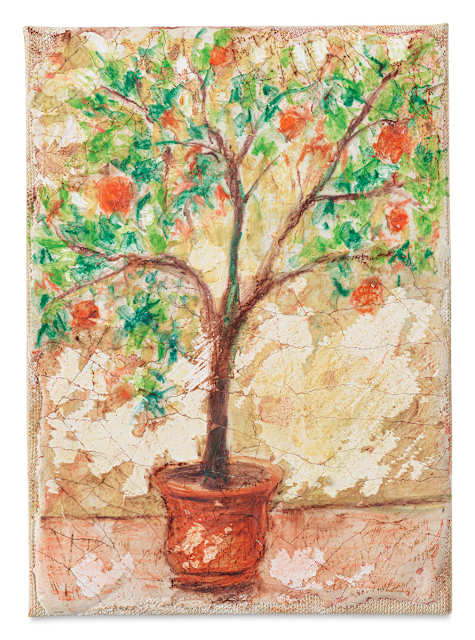 | Fresco art is associated with wall painting, but plaster makes a lovely surface for many mediums. This project leads the way through prepping a panel, painting, then purposefully cracking and manipulating the surface to create a look of antiquity. | Grades 5-12 |
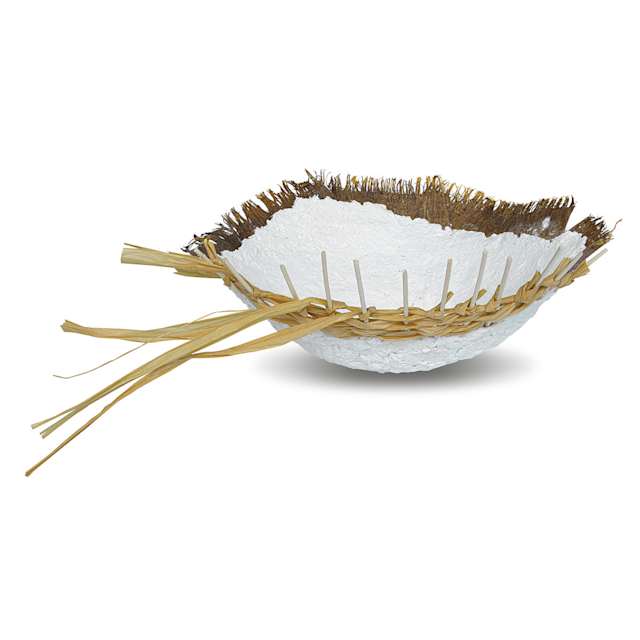 | This project requires leaving the classroom behind to collect natural materials in the great outdoors! Collected items will be shaped and formed into a decorative papier mâché bowl. Blick’s Mix Instant Papier Mâché offers all the properties of traditional papier mâché, without the mess and hassle of preparation, making it perfect for use in the classroom or out in nature. | Grades 3-12 |
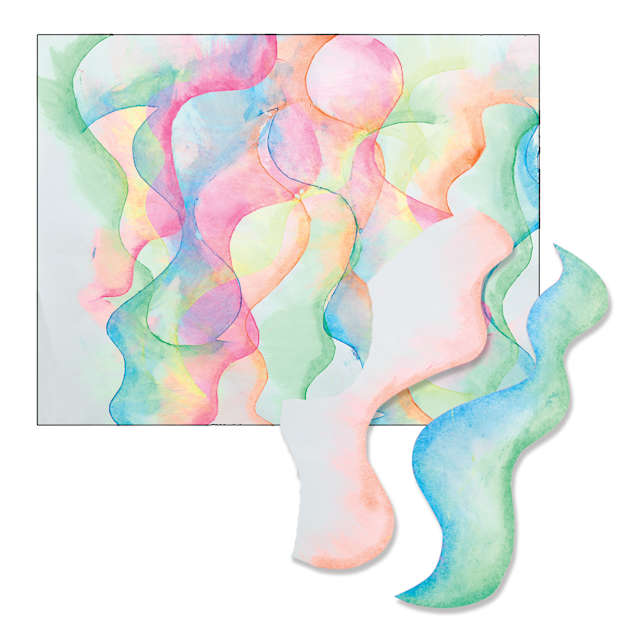 | Glide Blick Tempera Sticks along the edge of a paper stencil and use an ordinary wet wipe to create new color blends and patterns.
| Grades K-5 |
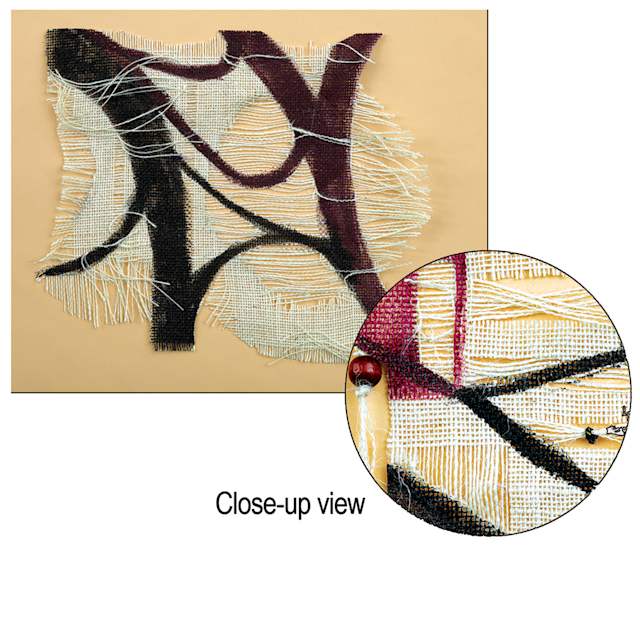 | Reverse the weaving process!
Selected strands are removed to create negative spaces as important as the fibers themselves. Inspired by the work of Lenore Tawney, this open approach to weaving is about re-thinking and re-designing a solid piece of burlap. | Grades 5-12 |