order by phone... 1-800-828-4548
order by item number...add items to my cart
|
At Blick, we love those "light bulb" moments when an idea inspires and the creative juices start to flow. Geared for a wide variety of age and skill levels, we offer hundreds of Lesson Plans designed to meet the National Standards for Visual Art Education and bring the value of creativity to any teaching experience. All original. All free. Help yourself! |
Sole Pendants |
MOST RECENT |
Grade Level |
|
|---|---|---|
![]() |
NEW! Anaglyph Artistry Make a composition for viewing with 3-D glasses! Turn an original drawing into a three-dimensional anaglyph using red and blue transfer paper with red and blue markers. Then, make the 3-D glasses necessary to make it pop! |
2 – 12 |
![]() |
NEW! Artist’s Challenge Coins (ACC’s) Challenge Coins are specially designed and minted for service personnel to recognize an achievement, enhance morale, or to signify membership in (or experience on) a particular mission. Create a personal Artist's Challenge Coin (ACC) by making a small print, collage, stamp, or photo appliqué one side of a coin-shaped wooden disk, and a challenge or message on the reverse. |
K – 12 |
![]() |
In Japan, Children's Day on May 5th is heralded by the appearance of flying fish: carp-shaped windsocks known as “Koinobori”. In this lesson, students design a “scale”-shaped block from soft block printing material and apply it repetitively to outdoor-safe fabric that has been cut in the shape of a fish. Add details like eyes, fins, and a tail using metallic and sparkle paint, and the Koinobori is ready to hang and “swim” through the breeze! |
3 – 12 |
![]() |
NEW! Butterfield Horse Construct a high-relief horse using Activa Fast Mache and found objects. Combine a painted and collaged background with a horse made of quick mache, sticks, pine needles, leaves, and shredded papers in the style of Debra Butterfield. |
3 – 12 |
![]() |
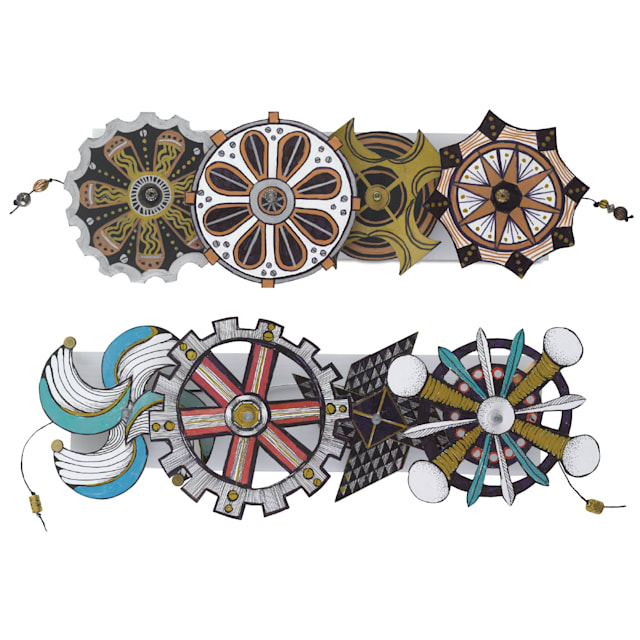
NEW! Concentric Kirigami A variation on Japanese Origami, Kirigami is created by folding paper and cutting portions away. This surprisingly uncomplicated relief sculpture is assembled with “rings” cut from double-sided sheets of colorful cardstock. The edges of the rings are folded, cut, unfolded, and layered concentrically (placed around the same center point) to make modern-day Kirigami designs. |
3 – 12 |
![]() |
NEW! Convertible “Canned” Sculpture Composition — the way the elements of a piece of art are arranged and relate to each other — can be difficult to grasp. This lesson plan presents an easy, forgiving way to see the effects of composition while using the dimensional works of Frank Stella as an example. The sculpture is assembled with magnets on a metal can so it can be taken apart and rearranged to see how the composition is affected — what works and what doesn’t. |
3 – 12 |
![]() |
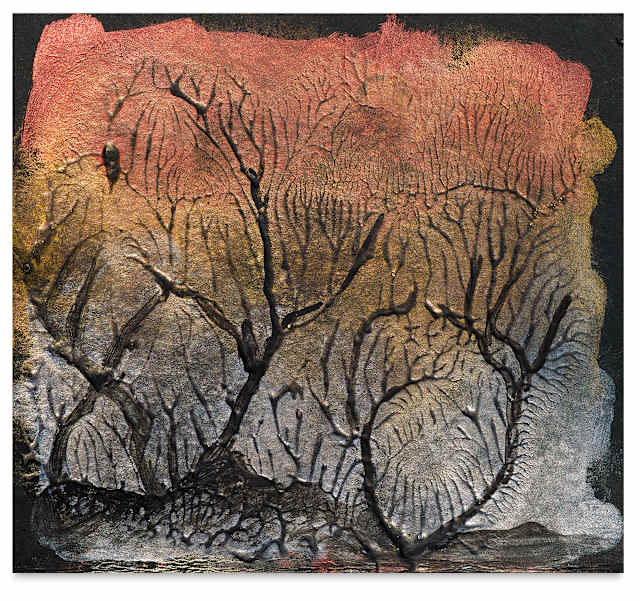
NEW! Decalcomania: Glue Paint Symmetry Prints “Decalcomania” was a techique was used by Surrealists to create impromptu paintings controlled largely by chance. Much like a Rorschach Ink-Blot test, they would search for hidden imagery and develop it into a finished painting. This tidy and highly interactive process uses Glue Paint in a finger painting-style of application — without actually touching it. Looking for hidden images and contour lines in the print will fuel the imagination of a young Surrealist! |
K – 12 |
![]() |
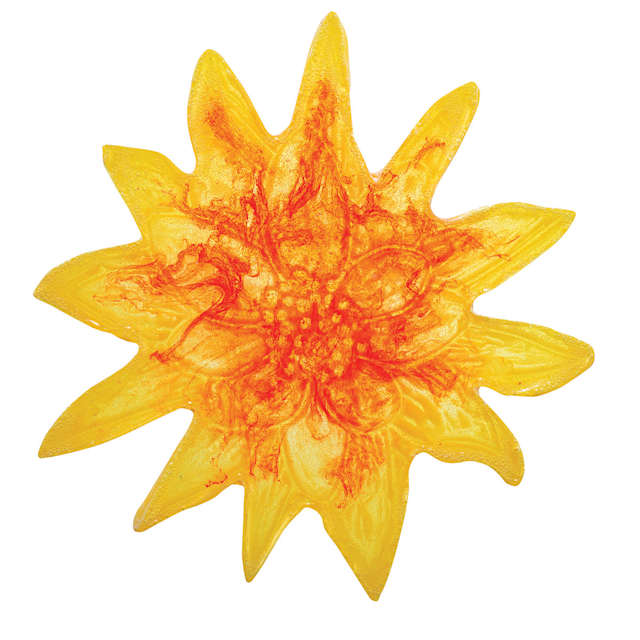
NEW! Flower Garden Tiles Easily make flower tiles by carving clay, filling with plaster, and finishing with liquid watercolors. |
K – 12 |
![]() |
NEW! Lessons on Lascaux Create a cave wall that crackles with authenticity! Using a paste made with powdered tempera and a Dura-Lar stencil, make a beautiful 3-D cave creation. |
3 – 12 |
![]() |
NEW! Make-a-Mock-Moc! Create a traditional Chippewa or Pucker-top moccasin using canvas, suede or leather remnants, seed beads and paint. |
5 – 12 |
![]() |
NEW! The Walls are Watching You! Form a whimsical and functional "pocket" to animate a wall. This project combines the wall pocket with a face jug, creating a fun and whimsical (or scary) face pocket out of clay. |
2 – 12 |
![]() |
NEW! Upcycled "Wild Thing" Mittens An outgrown sweater becomes a fun pair of costume mittens! Use a recycled wool sweater, shrink film, and other adornments to create a fun and functional "Wild Thing" mitten. |
K – 12 |
![]() |
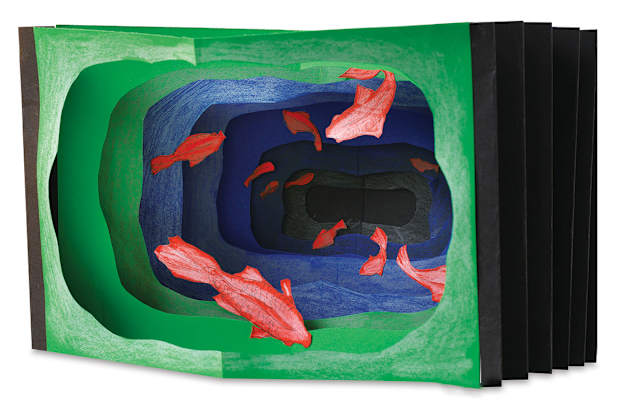
NEW! Books that POP! Paper engineering meets the principles of design! This procces breaks pop-up designs into three very basic techniques - spirals, zig-zags, and boxes - and focuses on design elements: color, form, shape, and space. A simple hinging technique using the ever-popular, colorfully patterned DuckTape allows the book to open and lie flat for the most eye-popping and paper-popping look! |
3 – 12 |
![]() |
NEW! Muslin Masterpiece Create a beautiful textile design using dye sticks and block printing. |
K – 12 |
![]() |
NEW! The Secret Life of your Pet! Disquise your pet or favorite animal in a fantasy environment with easy photo manipulation. |
K – 12 |
![]() |
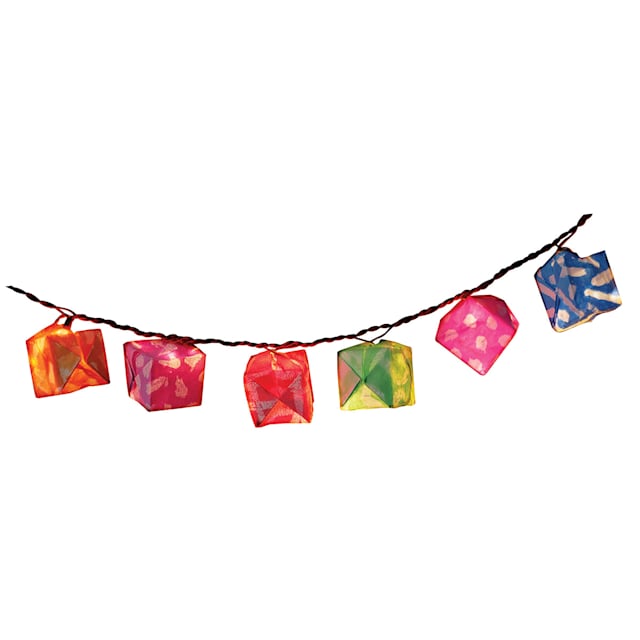
NEW! All Aglow Chinese Lantern An origami "Chinese Lantern" that glows in the dark! Using Dura-Lar film, markers, and glow-in-the dark paint, create a hanging lantern, and learn a basic origami shape. |
3 – 12 |
![]() |
NEW! Coral Reef Creation Brilliantly replicate thousands of years of oceanic evolution in just a few hours. Using clay, paint, and pearlescent mixing medium, along with handmade clay stamps, create a beautiful coral sculpture. |
K – 12 |
![]() |
NEW! Dancing Houses Part cartoonist and part Picasso, the art of Brooklyn-born James Rizzi is highly recognizable. His playful, brilliant images created a style he described as “Urban Primitive.” Students will enjoy making a classroom cityscape of fun and fabulous construction paper buildings. A simple wire armature beneath allows the structure to be playfully positioned -— almost as if it were dancing. This project provides a lesson in movement as design principle. |
K – 9 |
![]() |
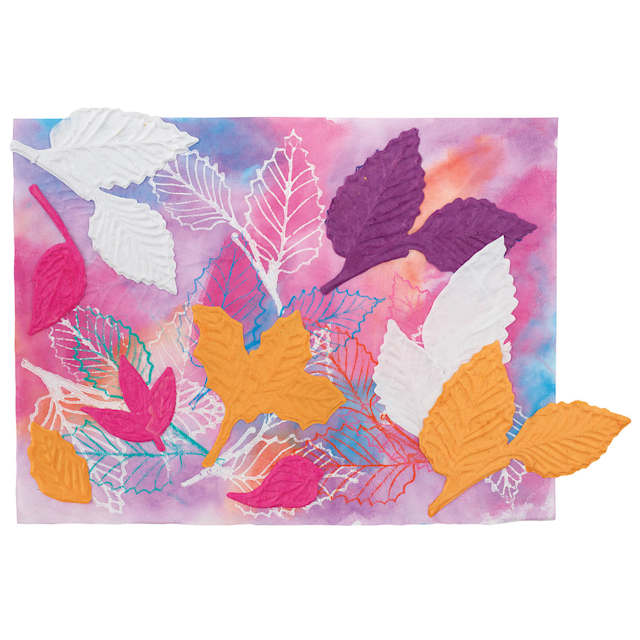
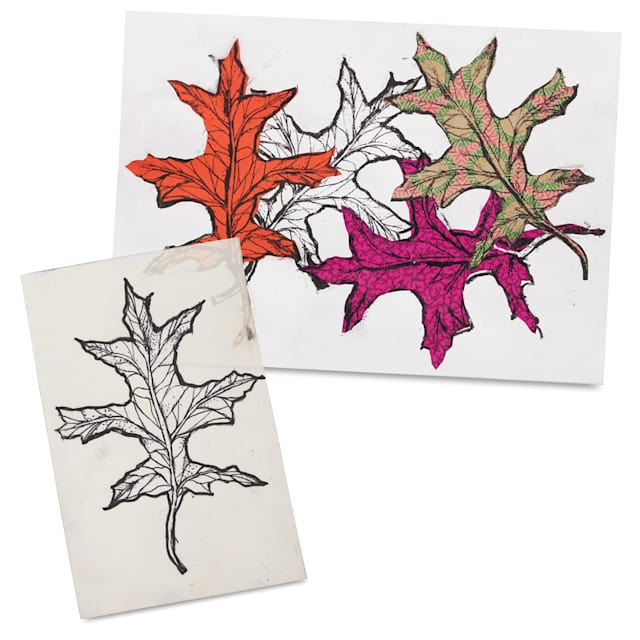
NEW! Easy-Outline Botanical Illustration Prints Although photography and modern printing processes have replaced the need for cataloguing plant life with detailed drawn and painted illustrations, botanical illustration is still a beloved art. To make an accurate rendering of a plant, students can create an impression in plaster, then trace the shape and details with colored pencil, ink, or watercolor. Mixing and shading for color accuracy and identifying the plant are some of the skills that will be learned in this exercise. |
K – 12 |
![]() |
NEW! “Gawu” — African Inspired Tapestry Ghana-born artist El Anatsui is known internationally for his large-scale sculptures called “Gawu,” a composite of the words “ga,” meaning something made of metal and 'wu,” meaning a fashioned garment. In this lesson, students create their own tapestries as a response to El Anatsui's art, using African kente to discover rhythm and pattern in art. Recycled materials can be used, including folded papers and labels. |
K – 12 |
![]() |
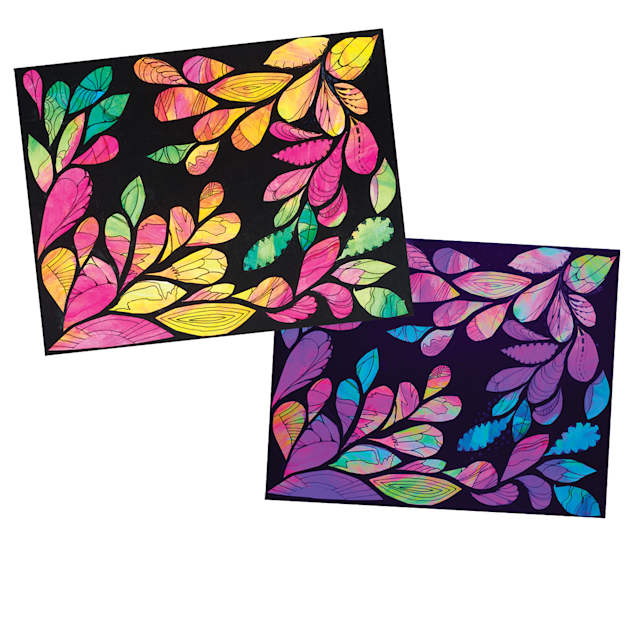
NEW! Glue Paint Symmetry Prints Finger Painting has never been so fun — or so very tidy! This project incorporates glue paint — basic white glue tinted with any shade of watercolor. It dries with a beautiful transparency that is enhanced when applied to a clear sheet. When the sheet is folded, the colors can be blended and moved about the page, without actually touching it! |
K – 12 |
![]() |
NEW! Monet's Water Lilies In the last 30 years of his life, French Impressionist Claude Monet produced a series of paintings depicting the flowers and pond in his garden at Giverny. He especially loved painting his water lilies and the reflections of the sky and trees floating in the water around them. In honor of Monet, here's an easy, elegant and inexpensive way to make a tissue paper lily that has the misty, atmospheric qualities an Impressionist would have loved. |
K – 8 |
![]() |
NEW! My Daruma A traditional Japanese weighted toy, Daruma always return to an upright position. This project reveals how to weight the bottom of a plastic egg and cover with instant maché to make these symbols of success, determination, and overcoming adversity. |
3 – 12 |
![]() |
NEW! Sound Sculpture Inspired by Jean Tinguely Swiss artist Jean Tinguely created whimsical machine-like contraptions of found metal parts, known as “metamechanics”. In this lesson plan, students create a kinetic sculpture with repurposed metal hardware, found objects, and wire placed so that they deliberately move against one another. Much like Tinguely’s machines, some of the noises may be pleasant — others may not— but each will have a very unique metallic, mechanical “voice.” |
3 – 12 |
![]() |
NEW! Ancient Bas-Relief Casting Create an ancient "carving" using cast paper and blasa foam! |
5 – 12 |
![]() |
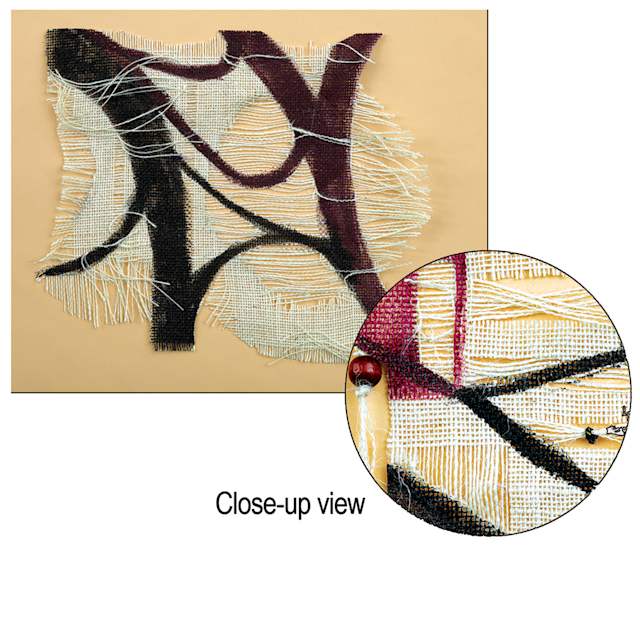
NEW! Burroughs on Burlap Printmaking on burlap results in a beaufitul rusticity. |
3 – 12 |
![]() |
NEW! Accordion Poetry Transform a single line of text into a dimensional work of art! |
5 – 12 |
![]() |
Sculptor George Rickey used scientific precision and physics, functioning with wind to construct heavy steel sculptures that seemed to defy gravity and float on air. In this lesson, students create a simple sculpture around a rotary hub with stacked wooden beads and soft wire. When a direct air current is applied to metallic paper “sails” (blow on it!), the sculpture blades turn gently.
|
5 – 12 |
![]() |
Skyscrapers evolved from the inside out — as steel frames became stronger, windows and walls became lighter, like a “skin.” Students can construct high-rise buildings (or low-rise designs) that are extremely light and open — they're made with paper straws and corrugated plastic joints (no glue required). Imagination grows with the construction — higher and higher!
|
5 – 12 |
![]() |
Stain painting was a successful technique employed by Color Field artists Helen Frankenthaler and Morris Louis. They poured diluted acrylic color over large canvases to form “veils” of brilliant color. In this lesson, students will first learn a simple process for creating their own drawing pad, then stain and design a canvas cover for it.
|
3 – 12 |
![]() |
Many Metals “Day of the Dead” Triptych Celebrate a happy and colorful Mexican tradition with many metals! Using the skull as a symbol of rebirth, create a triptych with embossed metal, papier mâché, and lots of color and sparkle!
|
5 – 12 |
![]() |
Roll up a felted masterpiece! Students easily create beautiful wool paintings using soap, water, and a little elbow grease.
|
K – 12 |
![]() |
New Guinean “Plant Paste” Doll Make a hand-built ritual doll with only three simple materials! Knead together clay, instant papier mâché and burlap fibers to create an intriguing art doll. Add body paint and embellish by adding seed bead teeth, a shell necklace, or clothing made of burlap. |
4 – 12 |
![]() |
Prairie-Style Stained Glass Clings Frank Lloyd Wright referred to his stained glass windows as “light screens” because they interacted with the view behind them, rather than covering or obscuring it. Here, students use geometry and repeating patterns to create a vinyl window cling that incorporates the ideals of Prairie-Style Design.
|
K – 12 |
![]() |
Learn the anatomy of one of nature’s most fascinating creatures and make a model from some of the very materials that threaten their habitat — plastic bags and fast food containers. These colorful, sparkling jellies are even water-resistant!
|
K – 5 |
![]() |
Create a textured clay mold to use again and again! Carve a design into a slab and bisque fire it. After coating it with kiln wash, this mold can be used many times to impart unique textures to slumped glass pieces.
|
3 – 12 |
![]() |
Printmaking — starring textures and shapes! A collagraph printing plate is created on a canvas panel using textures found in the classroom, textured gel mediums, or even textures from nature! After a final coat of gel medium is applied, the plate and paper are run through a printing press.
|
3 – 6 |
![]() |
Practice the ancient art of sumi-e painting with a modern twist! Paint with diluted wax resist, then reveal your masterpiece by applying black sumi-e ink over the top. The addition of watercolor gives the painting even more interest.
|
K – 12 |
![]() |
Originating in ancient India, Mehndi is the artistic application of designs to the hands and feet. Students can enjoy the practice of Mehndi without staining their skin by creating radial designs in marker while wearing a glove. The sense of touch while creating the design is an important part of the process.
|
K – 12 |
![]() |
This lesson plan introduces wool roving, which is the raw, washed wool from the sheep that is then dyed a variety of beautiful colors. The wool strands will be used to "paint" onto a canvas of felt. The wool is very easily "felted" or punched into the background with a felting needle. |
K – 12 |
![]() |
By making an animal shaped box out of clay, students honor both the vast diversity of Africa’s animal world, and also create a functional work of art! After choosing a favorite African animal, students will hand build a clay box with lid. |
5 – 12 |
![]() |
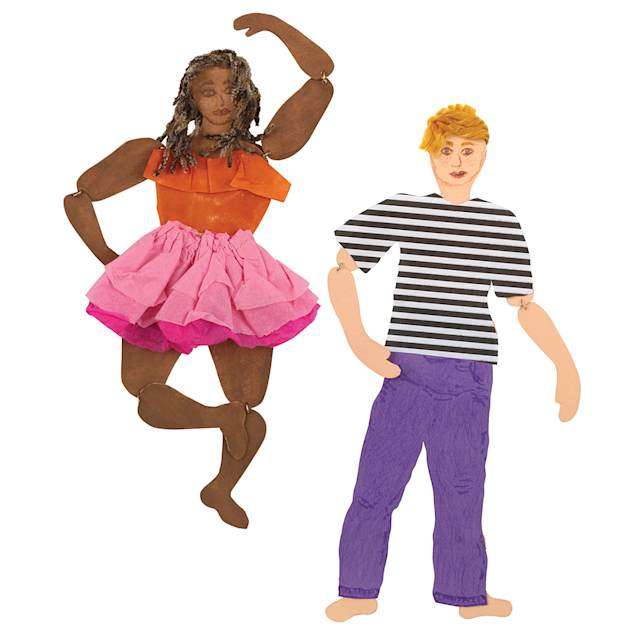
With this fun project, facial features become puzzle pieces that can be changed over and over again. It's a light and humorous way to examine the endless variety found in human faces and skin tones. |
K – 8 |
![]() |
Mehndi, tatau, and modern "ink" - the history of art is incomplete without including the practice of creating decoration on human skin. In this lesson plan, students create a jointed clay marionette and use fine-line markers to cover it with expressive designs. |
3 – 12 |
![]() |
Quilling is also known as paper filligree, paper rolling, mosaic or paper folding (even though the paper is really curled). In this project, students will try their hand at quilling in a truly sculptural way. By using much larger, thicker strips of paper, the finished product "pops" out in a very optical way. By using black on white, the effect is even further emphasized. |
3 – 12 |
![]() |
Have a Ball! with distorted self-portraits Observing and reproducing the distortion caused by a concave reflection is the topic of this lesson plan, as students make self-portraits inspired by M.C. Escher's “Hand with Reflecting Globe.” The canvas is a vinyl bouncing ball. Elementary ages can be challenged to create a continuous painting — with no beginning or end — then “Have a Ball!” playing with their own artwork.
|
K – 12 |
![]() |
Joseph Cornell's (1903-1972) most characteristic art works were boxed assemblages created from found objects. These were simple boxes in which he arranged surprising collections of photgraphs or bric-a-brac in a way that combines the formality of Constructivism with the lively fantasy of Surrealism. Students will gather pieces of nostalgia or found objects to embed in plaster within an arrangement of mini canvas "boxes". |
K – 12 |
![]() |
The stitching together of layers of padding and fabric may date as far back as ancient Egypt. In America, quilt-making was common beginning in the late 18th century. A paper memory quilt is a fun way to keep ephemera (paper items) that have significance. This project will teach important design skills as pieces of paper are cut apart and reassembled. Insight into pattern, rhythm and repetition is gained. |
2 – 12 |
![]() |
Glazing isn't the only way to create beautiful surfaces! Agateware pottery features swirling marbelized colors and was probably first developed to imitate the qualities of agate, a semiprecious stone with striated patterning. These swirling effects can be created by working with thin slabs of colored clay that has been layered to create patterns. This technique allows for both precise patterns and free, random effects.
|
3 – 12 |
![]() |
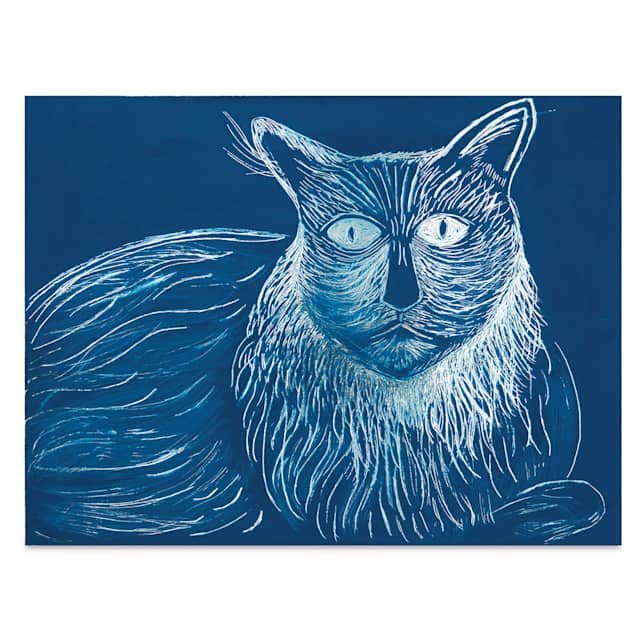
Scrimshaw-Style Yupo Engraving As early as 1750, New England whalers passed the time by engraving nautical artwork on bones, tusks, etc. As a means of experiencing this traditional American craft, students can etch into Yupo using scratch tools, then fill the lines with oil pastel.
|
5 – 12 |
![]() |
In this project, students explore the beauty of texture found in a surprising place... on the soles of their shoes! Texture is all around us, and oftentimes exists right under our noses.
|
K – 3 |